

Table of Contents
- What Defines Rugged Outdoor Gear for Extreme Weather
- Base Layers and Moisture-Wicking Systems
- Insulation and Thermal Regulation for Extreme Cold
- Waterproof and Windproof Outer Shells
- Footwear and Extremity Protection for Extreme Terrain
- Essential Outdoor Gear Checklist for Harsh Weather
- Wilderness Survival Optics and High-Altitude Gear
- Durable Camping Equipment for Harsh Weather Conditions
Last Updated: August 7, 2026
What Defines Rugged Outdoor Gear for Extreme Weather
Rugged outdoor gear for extreme weather is equipment engineered to perform reliably in brutal conditions: sub-zero cold, intense heat, torrential rain, high winds, or combinations thereof. At Leash the Wilderness, we've built our catalog around one principle: gear that works when it matters most. The difference between ordinary outdoor equipment and rugged gear comes down to material science, construction standards, and real-world field testing.
Rugged gear survives abuse. Seams hold under stress. Fabrics resist UV exposure and salt spray. Zippers operate in freezing temperatures. Insulation maintains loft when wet. These measurable performance standards separate equipment you can trust in remote terrain from gear that fails miles from help.
Temperature Ratings and Performance Standards
Temperature ratings define how cold or hot an environment gear can handle. Most outdoor gear carries a comfort rating (where a person sleeps comfortably), a limit rating (basic protection at the lowest temperature), and sometimes an extreme rating (survival-only protection).
A sleeping bag rated for 0°F won't keep you comfortable at 0°F; it will keep you alive. For sub-zero camping, your comfort rating should be 10-15 degrees lower than the expected low. The EN 13537 standard (used in Europe and increasingly in North America) provides consistent methodology for sleeping bag testing. Gear tested under this standard is more reliably comparable than equipment using proprietary systems.
Materials Built for Abuse
Durable water repellent (DWR) coatings protect outer shells from moisture while allowing breathability. Seam-sealed construction prevents water from penetrating stitched joints. Reinforced stress points distribute load and resist tearing.
Synthetic fabrics like nylon and polyester offer abrasion resistance. Natural materials like merino wool provide moisture management and temperature regulation. Articulated fit, with seams positioned to match body movement, reduces stress on fabric and extends lifespan. Flat-felled seams, double-stitching, and reinforced hems add durability, details that cost more to manufacture, which is why rugged gear carries a higher price tag.
Base Layers and Moisture-Wicking Systems
Base layers sit against your skin and manage sweat before it reaches insulation. In extreme weather, moisture management is survival-critical. Sweat against skin in cold accelerates heat loss; sweat trapped in insulation destroys loft and reduces warmth.
Synthetic vs. Merino Wool for Field Conditions
Synthetic base layers dry faster than wool and cost less, excelling in situations with heavy sweat and rapid drying needs. They compress smaller, ideal for minimalist packing. Merino wool regulates temperature across a wider range, keeping you warm when cold and cool when warm. Merino naturally resists odor and moisture, even when damp.
For extreme weather, many experienced outdoorsmen layer both: thin merino against skin for temperature regulation and odor resistance, with a synthetic mid-layer for additional moisture management. In truly extreme conditions where you might be wet for extended periods, synthetic base layers often outperform merino because they continue functioning when saturated.
Insulation and Thermal Regulation for Extreme Cold
Insulation traps dead air space, creating a barrier between your body heat and the cold environment. Down and synthetic insulation are the two primary options, each with distinct advantages.
Down Fill Power and Loft Performance
Down insulation comes from duck or goose feathers and offers the best warmth-to-weight ratio available. Fill power measures the volume (in cubic inches) that one ounce of down occupies. Higher fill power means better insulation with less weight. 800+ fill power is premium; 600-700 is solid; below 600 is budget-grade.
Down's weakness is moisture. When wet, down clumps and loses loft, destroying insulation value. In dry cold (deserts, high mountains), down excels because it stays dry and maintains loft indefinitely. Down gear compresses smaller than synthetic alternatives, valuable for backpackers carrying gear long distances.
Synthetic Insulation for Wet Conditions
Synthetic insulation retains insulation value even when wet, making it the smart choice for wet climates, coastal regions, or situations where moisture exposure is likely. Synthetic insulation dries faster than down and maintains some warmth when damp. The trade-off: synthetic insulation is bulkier and heavier than equivalent down gear. For stationary camping where weight isn't critical, synthetic excels. For backpacking where every ounce matters, down is often worth the moisture risk.
Waterproof and Windproof Outer Shells
Your outer shell protects everything underneath from wind and precipitation. Waterproof membranes allow moisture vapor to escape while blocking liquid water. Breathability is critical because trapped moisture can be as dangerous as external precipitation.
Wind resistance reduces heat loss from convection. Even light breezes dramatically increase heat loss. A windproof outer shell is non-negotiable in extreme weather, especially at high altitude where wind speeds increase with elevation.
Durable Water Repellent Coatings and Seam-Sealed Construction
DWR coatings cause water to bead and roll off rather than soak in, extending the life of waterproof membranes. DWR coatings degrade over time; expect to reapply every 1-2 years of regular use.
Seam-sealed construction is where most budget gear fails. Stitching creates tiny holes that water exploits. Seam sealing applies tape or liquid sealant over stitched seams, preventing water penetration at stress points. Critical seams, shoulder seams, hood-to-body junctions, and zipper seams, must be sealed. When evaluating shell jackets or rain pants, ask about seam sealing specifics.
Footwear and Extremity Protection for Extreme Terrain
Your feet take the most punishment in extreme terrain. Boots must provide support, traction, and protection while managing moisture and temperature. In extreme cold, feet are vulnerable to frostbite. In extreme heat, blisters and heat exhaustion threaten safety.
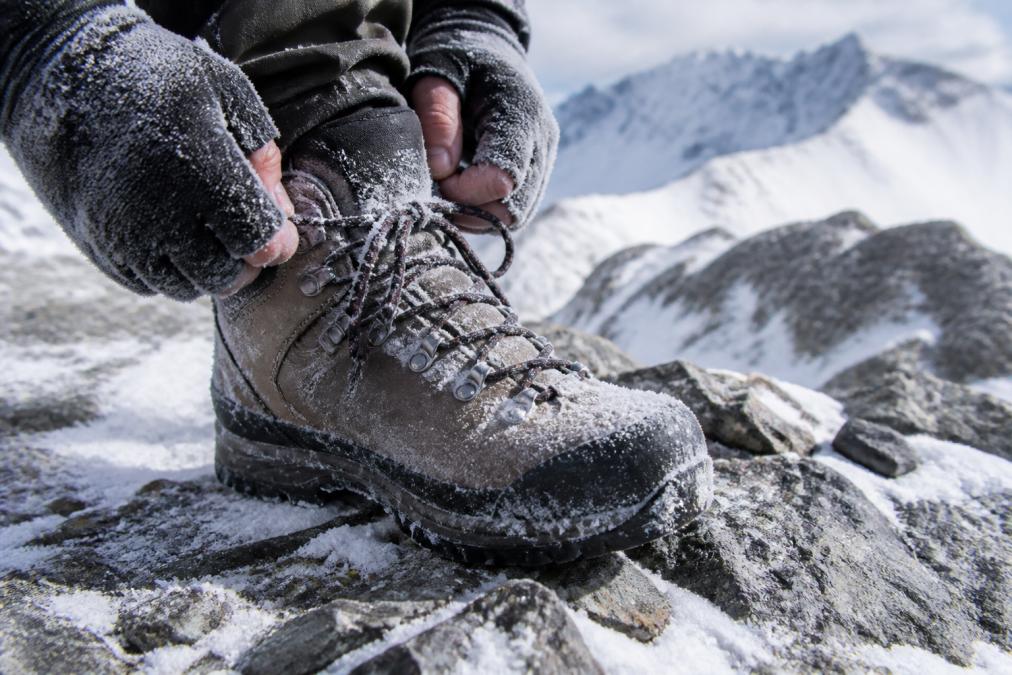
Extreme-weather boots combine waterproof membranes, insulation for cold protection, aggressive tread for traction on ice or loose scree, and ankle support to prevent twisting. Gaiters, fabric sleeves wrapping around the ankle and lower shin, extend waterproofing and keep snow and debris out of boots.
Extremity protection extends beyond feet. Insulated mittens are warmer than gloves because they keep fingers together, but they prevent fine motor control. Many experts carry both: mittens for passive activities and gloves for tasks requiring precision. Hats and face protection prevent heat loss from the head and protect against frostbite. A balaclava provides comprehensive protection in extreme cold.
Essential Outdoor Gear Checklist for Harsh Weather
An effective harsh-weather kit addresses multiple threats simultaneously. The specific gear you carry depends on your environment, activity duration, and risk tolerance.
Cold-Weather Survival Priorities
In extreme cold, priorities are insulation, wind protection, and moisture management. A comprehensive cold-weather kit includes:
- Insulated jacket with windproof outer shell
- Insulated pants or bibs with reinforced knees
- Insulated, waterproof boots rated for expected temperatures
- Insulated mittens or gloves (carry both if possible)
- Insulated hat or balaclava covering ears and face
- Base layers (synthetic or merino) for all major body areas
- Insulated sleeping system rated 15-20 degrees colder than expected low
- Weatherproof shelter (tent or emergency bivy)
- Hand and foot warmers for extended exposure
- Windproof, waterproof outer shell pants
The Naturehike Dune 7.6 camping tent available at Leash the Wilderness provides four-season protection, essential for winter camping. A four-season tent has reinforced poles, steeper sidewalls to shed snow, and better wind resistance than three-season models.

Cold-weather survival also requires caloric intake. Your body burns significantly more calories in extreme cold. Pack high-calorie foods and hot beverages. Monitor fluid intake actively; dehydration in cold is common because you don't feel thirsty.
Heat and Sun Exposure Protection
Extreme heat demands different priorities: hydration, sun protection, and ventilation. A comprehensive heat-weather kit includes:
- Lightweight, breathable clothing in light colors
- Wide-brimmed hat or face covering
- High-SPF sunscreen (reapply frequently)
- Electrolyte replacement (not just water)
- Lightweight, ventilated shelter for shade breaks
- Lightweight, breathable sleeping system
- Moisture-wicking base layers to manage sweat
- Sunglasses with UV protection
In extreme heat, light-colored, loose-fitting clothing allows air circulation and reflects heat. Covering skin with lightweight fabric is often cooler than exposing skin to direct sun because the fabric blocks solar radiation while allowing sweat evaporation.
Hydration in heat is survival-critical. Drink before you feel thirsty. Monitor urine color; pale yellow indicates adequate hydration; dark yellow signals dehydration. Electrolyte drinks are superior to water alone for extended heat exposure.
| Condition | Priority Gear | Secondary Gear | Notes |
|---|---|---|---|
| Extreme Cold | Insulated jacket, boots, hat | Mittens, base layers | Temperature rating 20+ degrees below forecast low |
| Extreme Heat | Lightweight clothing, hat, sunscreen | Ventilated shelter, electrolytes | Light colors, loose fit for air circulation |
| Wet & Cold | Synthetic insulation, waterproof shell | Gaiters, gloves | Avoid down; prioritize drying capability |
| High Altitude | Windproof shell, insulation | Extra layers, sun protection | Wind increases with elevation; UV exposure intensifies |
Wilderness Survival Optics and High-Altitude Gear
High-altitude and remote environments demand specialized gear. Optics, binoculars, rangefinders, and scopes, become critical tools for navigation, wildlife assessment, and hazard identification. The Hunters Optics Kit available through Leash the Wilderness bundles rangefinder, rifle scope, and binoculars, essential for backcountry navigation and game location.
At high altitude, air density decreases, reducing oxygen availability. Batteries perform poorly in extreme cold. Zippers become brittle. Fabrics become more susceptible to UV damage. Altitude also increases sun exposure because less atmosphere filters UV radiation.
High-altitude gear must account for rapid temperature swings. Daytime temperatures might reach 50°F while nighttime drops to 0°F or lower. Layering systems that allow quick adjustment become essential. Avoid single-layer insulation; carry multiple layers you can add or remove. Quality optics with clear glass and reliable construction are non-negotiable in remote terrain where replacement isn't an option.
Durable Camping Equipment for Harsh Weather Conditions
Camping equipment designed for harsh weather differs fundamentally from three-season gear. Four-season tents, reinforced sleeping systems, and weather-sealed cooking equipment are non-negotiable.
Four-Season Tents and Weather-Sealed Shelters
Four-season tents feature reinforced poles, steeper sidewalls, and minimal ventilation to retain heat and resist wind loading. These designs shed snow effectively and withstand high winds. The trade-off is reduced ventilation, which increases interior condensation in mild conditions.
The Naturehike Dune 7.6 camping tent combines four-season design with 2-4 person capacity, suitable for expedition camping or winter base camps. Four-season tents are heavier and more expensive than three-season models, but they're essential in extreme weather where shelter failure means survival risk.
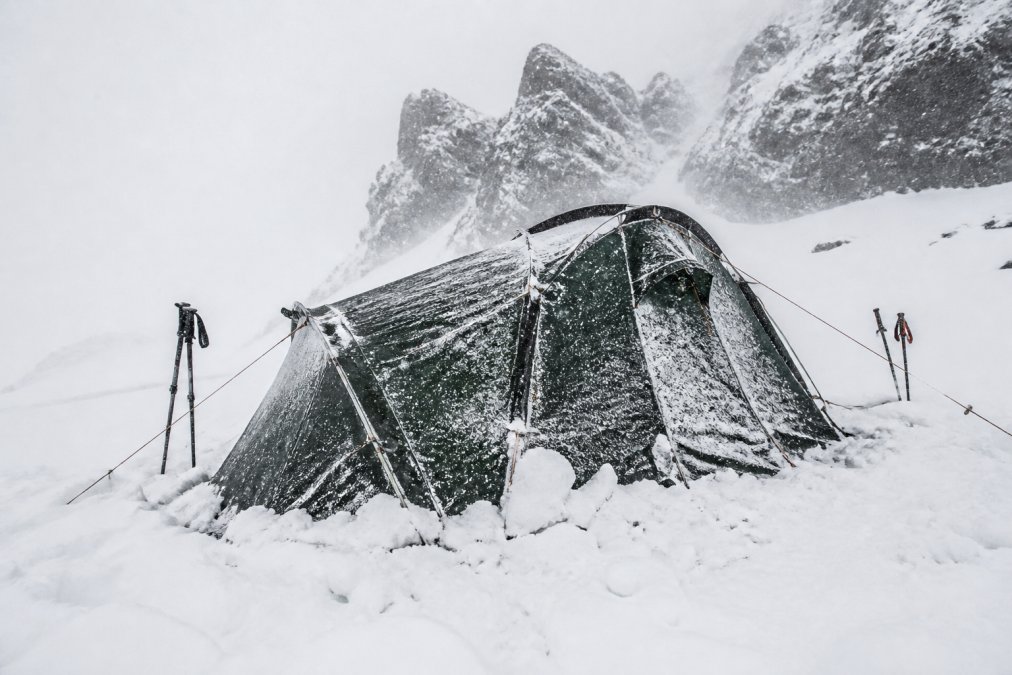
Shelter placement matters as much as design. In wind, position your tent perpendicular to wind direction to minimize loading on the narrow end. Avoid valleys where cold air pools. Choose elevated terrain for drainage and wind exposure. In snow, dig a platform to prevent melting underneath the tent.
Weather-sealed shelters also include tarps and emergency bivies. A lightweight tarp provides quick shelter without the weight of a full tent. Emergency bivies are minimal shelters designed for survival, not comfort.
Sleeping Systems and Temperature Ratings
Your sleeping system, bag and pad combined, determines whether you survive the night in extreme cold. The sleeping pad is equally important as the bag. Insulation value is measured in R-value; higher R-values indicate better insulation. In extreme cold, use sleeping pads with R-values of 5 or higher. In moderate cold, R-values of 3-4 suffice.

Mummy bags (tapered at the feet) retain heat better than rectangular bags because the reduced air volume requires less body heat to warm. In extreme cold, choose mummy bags with draft collars (insulated collars around the neck opening) to prevent heat loss from the head and shoulders.
Store sleeping bags uncompressed to prevent insulation degradation. Wash bags gently in cool water with mild soap. Air dry completely before storage. Down bags require special care; never machine wash or dry. Synthetic bags are more forgiving but still need gentle treatment.
Choosing rugged outdoor gear for extreme weather means investing in equipment designed for reliability, not just comfort. Temperature ratings, material durability, and seam construction aren't marketing details, they're survival factors. Whether you're facing sub-zero cold, intense heat, or wet conditions combining both threats, the gear you carry determines your safety margin.
At Leash the Wilderness, we stock equipment tested in real conditions by people who depend on it working. Our bundles like the Backcountry Power Kit combine optics, power, and rangefinding capability for remote terrain. Our four-season tents and cold-weather sleeping systems are selected because they perform when conditions turn brutal. Every piece in our catalog is gear we'd trust miles from the truck, where failure isn't an inconvenience, it's a crisis. Start with a comprehensive system, understand your gear's limitations, and train with it before you need it in an emergency.
Frequently Asked Questions
What defines rugged outdoor gear for extreme weather?
Rugged outdoor gear for extreme weather combines durable materials, temperature-rated construction, and field-tested performance in sub-zero and high-heat conditions. Look for seam-sealed waterproof membranes, abrasion-resistant fabrics, articulated fit for mobility, and thermal regulation systems that manage moisture-wicking and insulation. True extreme-weather gear prioritizes hypothermia and heat exhaustion prevention through proven layering systems and emergency preparedness features.
How do I choose the right essential outdoor gear checklist for my conditions?
Start with your specific environment: sub-zero backcountry requires down insulation, waterproof outer shells, and high-altitude breathability; hot-weather work demands moisture-wicking base layers, UV protection, and ventilation. Build your essential outdoor gear checklist around temperature ratings (check sleeping bag and clothing specs), then add redundancy for critical items like shelter, insulation, and footwear. Field-tested gear from serious outfitters often outlasts cheaper alternatives in actual use.
What makes wilderness survival optics essential for extreme weather?
Wilderness survival optics improve safety and accuracy when conditions turn harsh. Quality optics withstand temperature extremes, maintain clarity in fog and precipitation, and provide reliable rangefinding and target acquisition in low light. For hunters and backcountry users, optics enable faster decision-making and reduce exposure time in dangerous conditions. Fog-proof, shock-resistant designs ensure your optics work when your life depends on them.
How do I know if durable camping equipment for harsh weather will actually survive field use?
Look for four-season tent designs with reinforced seams, heavy-duty fabrics rated for abrasion resistance, and proven temperature ratings backed by real-world testing. Check material specs: waterproof membranes should be seam-sealed, insulation should have documented fill power, and sleeping bags should list actual comfort temperatures, not just marketing claims. Field-tested gear from outdoor specialists shows wear marks and repair history, that's a good sign, not a bad one.
What's the difference between synthetic insulation and down for extreme cold?
Down insulation offers superior loft and warmth-to-weight ratio in dry conditions, making it ideal for sub-zero backcountry where weight matters. Synthetic insulation retains warmth even when wet and dries faster, making it better for wet, high-moisture environments like coastal or spring hunting. Many extreme-weather systems use hybrid designs: down for core warmth, synthetic on outer layers for moisture management and durability.
Can I repair rugged outdoor gear in the field, or do I need professional service?
Quality rugged outdoor gear is designed for field repair. Seam leaks can be sealed with field-repair tape or liquid sealant; torn fabrics can be patched; zippers can be replaced with spares. Down-filled items are harder to repair in the field but hold up longer. The best approach: carry repair kit basics (seam sealer, patches, spare cord, duct tape) and learn simple fixes before your trip. Gear maintenance at home, drying properly, storing correctly, prevents most field failures.
Is rugged outdoor gear overkill for casual weekend trips?
Not if conditions turn severe. Weather changes fast in mountains and remote areas; casual weekend trips often become emergency situations. Rugged gear costs more upfront but outlasts cheaper alternatives by years, reducing long-term cost per use. If you're only fishing a calm lake in summer, basic gear works. If you're hunting in November, camping at altitude, or fishing in wind and cold, field-tested rugged gear prevents hypothermia, injury, and failed equipment when help is far away.
This article was written using GrandRanker