

Table of Contents
- How Hunting Dogs Lose Heat in Cold Water
- Signs of Hypothermia in Dogs During Cold Water Hunts
- Breed-Specific Cold Tolerance in Retrievers
- Best Dog Gear for Cold Water Hunting
- How to Warm Up a Hunting Dog After Cold Water Work
- Conditioning and Acclimatization for Cold Water Work
- Safe Temperature Thresholds and Blind Management
- Conclusion
Last Updated: August 29, 2026
How Hunting Dogs Lose Heat in Cold Water
Your retriever bounds into a sub-freezing lake without hesitation. Ten minutes later, she's shivering uncontrollably on the bank. Why does my hunting dog get cold during water retrieves when other animals seem fine in the same conditions? The answer lies in basic physics and canine physiology working against each other.
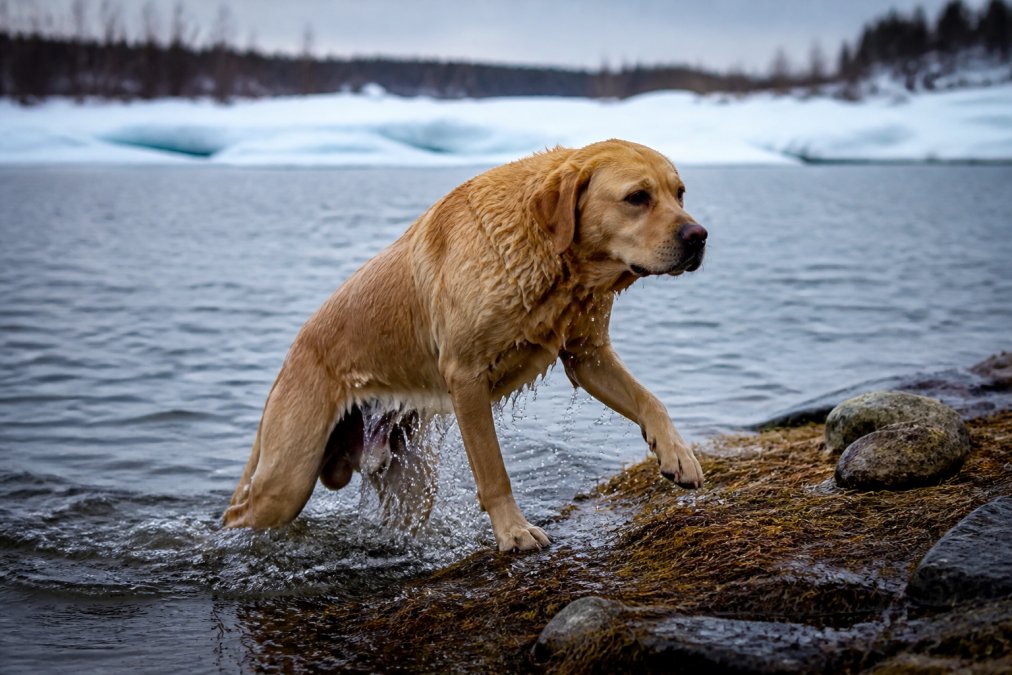
Water conducts heat away from the body roughly 25 times faster than air at the same temperature (peer-reviewed research). The moment your dog enters cold water, her body begins losing thermal energy at an accelerated rate. A wet coat that provides excellent insulation in air becomes a liability in water. The fur traps water against the skin instead of creating an insulating air pocket, and the water itself pulls heat away continuously. This is why hypothermia in hunting dogs progresses so quickly compared to other cold-weather risks.
Water vs. Air: Why Immersion Accelerates Heat Loss
The difference between air and water immersion is dramatic. In cold air, a dog's coat creates multiple layers of insulation by trapping warm air close to the skin. In water, those same layers become saturated. Water molecules displace the air pockets, and thermal conductivity takes over. A dog's core body temperature can drop several degrees in minutes during water immersion, whereas the same air temperature might take hours to produce equivalent cooling (the NIH).
Wind chill compounds this effect. A wet dog in a 30-mile-per-hour wind loses heat even faster than in still air. The moving air accelerates evaporative cooling from the wet coat. Hunters working from blinds often underestimate this risk because they're focused on the hunt, not monitoring the dog's physical state. The combination of water immersion, wet fur, and wind exposure creates a perfect storm for rapid heat loss.
Wet Coat, Reduced Insulation
A dry coat works because of structure. Guard hairs repel water while the undercoat traps air. This air layer insulates. Once water saturates the coat, that system fails completely. The fur loses its ability to maintain an insulating barrier, and the dog's metabolic rate must increase dramatically to compensate.
Older dogs and those with joint disease struggle most in these conditions. Their bodies cannot generate heat as efficiently through muscular exertion. A seven-year-old Labrador with mild arthritis will fatigue faster than a three-year-old in the same water, and fatigue accelerates heat loss because the dog stops moving and generating metabolic warmth.
Signs of Hypothermia in Dogs During Cold Water Hunts
Recognizing early warning signs of hypothermia can mean the difference between a safe hunt and a medical emergency. Most hunters wait too long to pull their dogs from the water because they don't recognize the progression of symptoms.
Early Warning Signs
Mild hypothermia begins with shivering. This is actually your dog's body working correctly, muscular contractions generate heat. But shivering is also an energy drain. A shivering dog is burning calories rapidly and losing the ability to maintain core temperature for extended periods.
Watch for lethargy and reluctance to move. A dog that normally retrieves eagerly but suddenly becomes slow to respond or hesitates before entering the water again is showing early signs of cold stress. Her muscles are stiff, coordination is declining, and she's conserving energy because her body recognizes the threat.
Seek out shelter behavior. A cold dog will try to curl up, huddle against you, or move away from wind exposure. Whining or vocalization can also signal distress. These are not signs of weakness, they're signs that your dog's thermoregulation system is working overtime.
Advanced Hypothermia Symptoms
As core body temperature drops further, shivering stops. This is dangerous because it signals that the dog's body has given up on generating heat through muscle contractions. Muscle rigidity sets in. The dog's movements become stiff and uncoordinated. She may appear confused or unresponsive to commands.
Extreme lethargy follows. The dog may collapse or seem unable to stand. Breathing becomes shallow. Pupils may dilate. At this stage, the dog requires immediate warming and veterinary attention. Field first aid includes removing wet gear, wrapping the dog in dry blankets or your own body heat, and getting to shelter and professional care as quickly as possible.
Breed-Specific Cold Tolerance in Retrievers
Not all retrievers are created equal when it comes to cold water tolerance. Breed genetics and individual variation matter significantly.
Labrador Retrievers have the densest double coat among retriever breeds. Their undercoat is thick and oily, providing superior water resistance compared to other breeds. A healthy Lab in peak condition can tolerate longer water exposure than a Chesapeake Bay Retriever or Golden Retriever of similar age and fitness.
Chesapeake Bay Retrievers have an even oilier coat and were bred specifically for cold water work in the Chesapeake. Their cold tolerance is exceptional, but they still experience heat loss in prolonged sub-freezing water immersion. Do not assume breed advantage means unlimited cold water exposure.
Golden Retrievers have a longer, silkier coat that does not repel water as effectively as Lab or Chessie coats. They fatigue faster in cold water and show hypothermia symptoms sooner. Individual Goldens vary widely, but as a breed, they have lower cold water tolerance than Labs.
Age, fitness level, and body composition override breed tendencies. A lean, older dog of any retriever breed will struggle more than a younger, muscular dog. A dog with joint disease or arthritis will show early signs of cold stress faster than a healthy dog of the same breed and age.
Best Dog Gear for Cold Water Hunting
The right gear extends your dog's safe working window in cold water. Leash the Wilderness carries field-tested options designed for serious hunting conditions.
Neoprene Vests and Insulated Layers
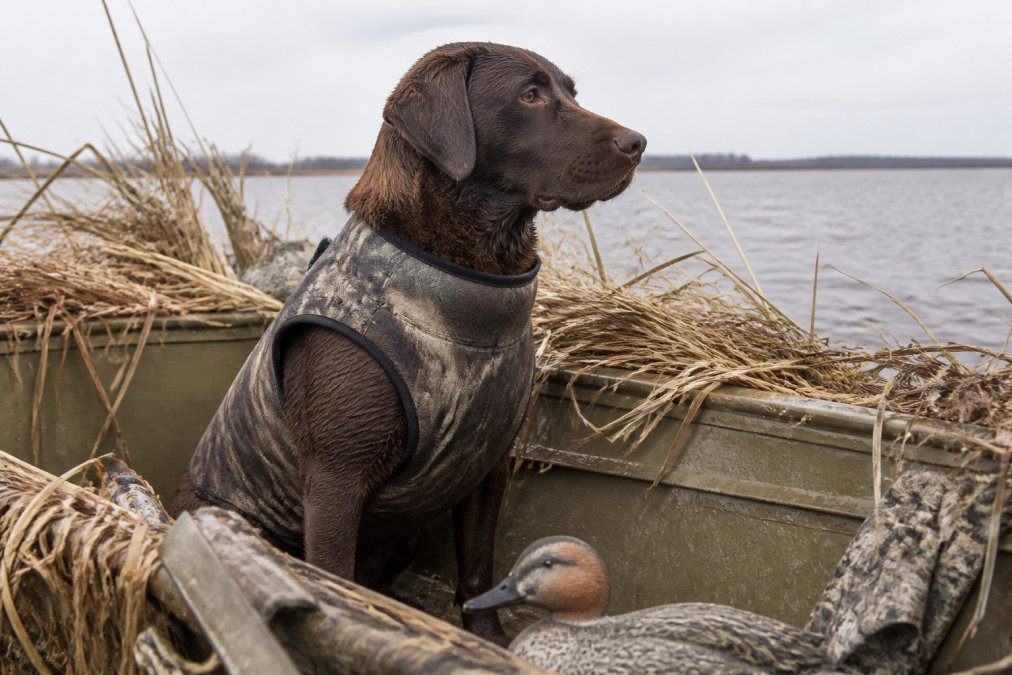
A neoprene vest is the single most effective tool for extending cold water tolerance. Neoprene provides insulation even when wet because it retains some air pockets within its structure. A properly fitted vest covers the chest, back, and flanks, the areas where heat loss is fastest.
Fit matters enormously. A vest that is too loose allows water circulation underneath. A vest that is too tight restricts movement and breathing. The vest should sit snug against the body without bunching or shifting during retrieves. Most quality vests have adjustable straps to accommodate different body shapes.
Insulated layers worn under a neoprene vest add extra protection. Some hunters use a thin fleece or thermal layer under the vest for additional warmth. This combination is effective for extended water work in sub-freezing conditions, though it adds bulk and can slow the dog slightly.
Drying and Recovery Tools
What you do immediately after the hunt is as important as what you do during it. Microfiber towels absorb water far more effectively than standard cotton towels. The Microfiber Pet Absorbent Towels pull moisture away quickly without the matting that cheap towels cause. They're durable enough for repeated hunts and wash after wash.

Dry your dog thoroughly before allowing extended rest. Pay special attention to the chest, armpits, and between the hind legs, areas where water gets trapped and heat loss continues even after leaving the water. A dog that looks mostly dry on the surface can still have saturated undercoat underneath.
How to Warm Up a Hunting Dog After Cold Water Work
Field recovery techniques determine whether your dog bounces back quickly or develops hypothermia complications.
Immediate Field Recovery Steps
The moment your dog exits the water, begin active drying. Use a microfiber towel to remove standing water from the coat. Do not rub aggressively, this can trap water deeper in the fur. Instead, press the towel against the coat to absorb moisture.
Move the dog to shelter immediately. A vehicle with the heater running, a hunting cabin, or even a windbreak provides critical protection. The combination of wind and wet fur accelerates heat loss dramatically. Shelter alone can slow the rate of temperature decline significantly.
Encourage light activity. A dog that is shivering and alert should walk slowly. This muscular activity generates metabolic heat. Do not force vigorous exercise, that can cause additional stress and accelerate fatigue. Gentle movement is the goal.
Offer warm water to drink if the dog will take it. Do not give food immediately, a cold dog's digestive system is compromised. Warm water helps from the inside out, though external warming is the priority.
Post-Hunt Recovery Protocol
Once you're back at camp or home, continue the recovery process. A warm bath accelerates core body temperature recovery. Use water that is warm to your touch but not hot, around 100-102 degrees Fahrenheit. Soaking for 10-15 minutes allows heat to penetrate the coat and reach the skin.
After the warm bath, dry thoroughly again with microfiber towels. Follow up with a dry blanket or towel wrap. Some hunters use a dog hair dryer on a low setting to finish drying, though this requires careful handling to avoid overheating.
Provide a comfortable resting space. An Orthopedic Dog Bed Mat with a washable cover gives your dog a warm, supportive place to recover. The orthopedic foam helps with joint stiffness that cold water exposure can aggravate, especially in older dogs.

Monitor for delayed hypothermia symptoms over the next 24 hours. Some dogs show secondary temperature drops hours after the initial exposure. Lethargy, loss of appetite, or continued shivering warrant a veterinary call.
Conditioning and Acclimatization for Cold Water Work
Dogs that are acclimated to cold water show better tolerance than dogs exposed to it suddenly. Gradual conditioning builds both physical fitness and metabolic adaptation.
Start conditioning in early fall before the season opens. Short, frequent water exposures build tolerance better than occasional long sessions. A 5-minute retrieve in 50-degree water is safer than a 30-minute session in the same water for a dog that has not been conditioned.
Increase duration and decrease water temperature gradually as the season progresses. A dog that has worked in 50-degree water for weeks will handle 40-degree water better than a dog pulled from warm weather directly into cold water. This acclimatization appears to improve the dog's ability to regulate core temperature.
Physical fitness matters. A dog in peak condition with good muscle mass has better thermal regulation than an overweight or sedentary dog. Regular land training, swimming in warmer months, and cardiovascular conditioning all support cold water tolerance. A fit dog generates metabolic heat more efficiently.
Safe Temperature Thresholds and Blind Management
Water temperature is the primary factor determining safe working duration. Air temperature, wind, and water temperature together create the actual risk profile.
Most hunting dogs can safely work in water above 50 degrees Fahrenheit for extended periods without special gear (aaha.org). Between 40-50 degrees, a neoprene vest extends safe working time significantly. Below 40 degrees, limit retrieves to short duration, use protective gear, and monitor closely. Below 32 degrees (ice-cold water), even brief exposure carries serious hypothermia risk.
Blind management during cold water hunts requires discipline. Hunters often push dogs beyond safe limits because the hunting is good or because they underestimate the risk. Set a hard limit on water exposure time based on water temperature and your dog's age and fitness. Stick to that limit regardless of how the birds are flying.
Rotate your dog out of the water periodically. A dog that spends 15 minutes in the blind, then 5-10 minutes on land where she can dry and warm up, tolerates extended hunts better than a dog in the water continuously. This rotation also gives you time to observe her for early hypothermia signs.
Watch for behavioral changes. A dog that becomes reluctant to enter the water, hesitates on retrieves, or shows stiffness is signaling that she's reaching her cold tolerance limit. Respect that signal. Pulling her from the water early is far better than dealing with hypothermia.
Cold water hunting demands respect for your dog's physiology. The physics of heat loss in water is unforgiving, but understanding how and why your hunting dog gets cold during water retrieves gives you the tools to manage that risk. Leash the Wilderness supplies the recovery gear that serious hunters trust, microfiber towels that actually work and orthopedic bedding that supports joint health during the recovery phase. Proper conditioning, appropriate gear, and disciplined blind management keep your dog safe and hunting strong through the season.
Frequently Asked Questions
What temperature is too cold for hunting dogs in water?
Water below 60°F poses significant cold stress for most hunting dogs, especially during extended retrieves. Below 50°F, hypothermia risk increases rapidly. However, individual tolerance varies by breed, coat type, age, and conditioning. Labrador Retrievers and Chesapeake Bay Retrievers have better cold-water tolerance than breeds with single coats. Older dogs, puppies, and dogs with arthritis or joint disease should be pulled from cold water sooner. Always monitor for signs of hypothermia regardless of breed.
How can I tell if my hunting dog is suffering from hypothermia?
Early signs include shivering, lethargy, reluctance to move, and muscle stiffness. As hypothermia progresses, your dog may show weakness, confusion, slow heart rate, and pale gums. In severe cases, the dog may become unresponsive or collapse. If you notice any of these signs during or after cold water work, remove your dog from the water immediately, dry them thoroughly, and provide warm shelter. Seek veterinary care if symptoms persist or worsen.
Does my dog need special gear for cold water hunting?
Yes, protective gear makes a measurable difference. Neoprene vests designed for hunting dogs provide insulation and reduce heat loss during water retrieves. A quality microfiber towel for rapid drying after retrieves is essential. For dogs with joint issues or older retrievers, an orthopedic bed for post-hunt recovery supports joint health and reduces inflammation. These tools together create a complete cold-water safety system that extends your dog's working season safely.
How should I warm up my hunting dog after a cold water retrieve?
Immediately after exiting cold water, dry your dog thoroughly with an absorbent towel, paying special attention to the coat and underside. Move your dog to a warm, sheltered location, a heated blind or vehicle works well. Provide warm (not hot) water and high-calorie food to replenish energy expenditure. Gentle movement helps restore circulation without overexertion. At home, allow rest on an orthopedic bed to support recovery and reduce joint stress. Monitor for delayed hypothermia symptoms over the next few hours.
This article was written using GrandRanker