

Last Updated: November 16, 2026
Quick Summary
The best soft plastics for BFS bass fishing are compact 1 to 3 inch baits that cast on light tackle, led by a paddle tail for covering water, a 9cm T-tail worm for long casts, and a budget jig kit for learning the setup. Keep the bait and hook combined inside your rod's lure rating.
- Compact plastics in the 1 to 3 inch range are the BFS standard and work year-round.
- The Bassdash Paddle-Tail Swimbait is a cast-and-wind bait that needs no technique.
- The 9cm T-Tail Worm measures 90mm, the upper end for a light BFS rod.
- Weigh bait and hook together on a kitchen scale before you cast.
- In clear water with pressured fish, use a finesse worm on a drop shot or Neko rig.
Table of Contents
- What BFS Bass Fishing Demands From a Soft Plastic
- Three Soft Plastics That Work on a BFS Setup
- Bassdash Paddle-Tail Swimbaits: The Cast-and-Wind Pick
- 10Pcs 9cm T-Tail Worm: The Long-Cast Finesse Option
- 50PCS Metal Jig Bait Kit: The Budget Starter Box
- How to Rig Soft Plastics for BFS
- BFS Fishing Line for Soft Plastics
- Choosing the Best BFS Lures for Bass by Condition
- Frequently Asked Questions
What BFS Bass Fishing Demands From a Soft Plastic
BFS bass fishing asks one thing of a soft plastic: it has to cast on light tackle without killing the spool. A bait that weighs too much or catches too much air costs you distance and control. Match the bait to the rod's rating, then match the hook to the bait.
That changes bait selection in three ways.
Size, Weight, and Castability on Light Tackle
Small baits cast badly when they are too light for the spool. A 1-inch bait on a heavy hook will not load the rod. A 3-inch bait on a light hook casts well but sinks slowly.
Start with the rod's lure rating, not the bait's length. Stay inside that range, then pick a hook weight that keeps the total inside it. Check the maker's rating on the rod and reel before you buy.
Compact plastics in the 1 to 3 inch range are the BFS standard. They cast on light tackle, imitate small forage, and work year-round. Grubs, finesse worms, paddle tails, and small creature baits all fit.
Three Soft Plastics That Work on a BFS Setup
Three baits cover most BFS situations: a paddle tail for covering water, a T-tail worm for long casts, and a jig kit for learning the setup cheap.
Quick Comparison: Price, Size, and Best Use
| Bait | Price | Size | Best Use | Rig |
|---|---|---|---|---|
| Bassdash Paddle-Tail Swimbaits | $20.99 | Small to medium | Cast and wind, active fish | Jighead or swimbait hook |
| 10Pcs 9cm T-Tail Worm | $16.99 | 90mm / 3.54in | Long casts, finesse | Texas rig or jighead |
| 50PCS Metal Jig Bait Kit | $10.99 | 5.5cm, 7cm, 10cm | Budget starter box | Pre-rigged jig heads |
Price
Bassdash Paddle-Tail Swimbaits: The Cast-and-Wind Pick
If you want one bait that needs no technique, this is it. The Bassdash Paddle-Tail Swimbaits are a cast-and-wind bait. Tie one on, count it down, and reel. The paddle tail kicks on a steady retrieve.
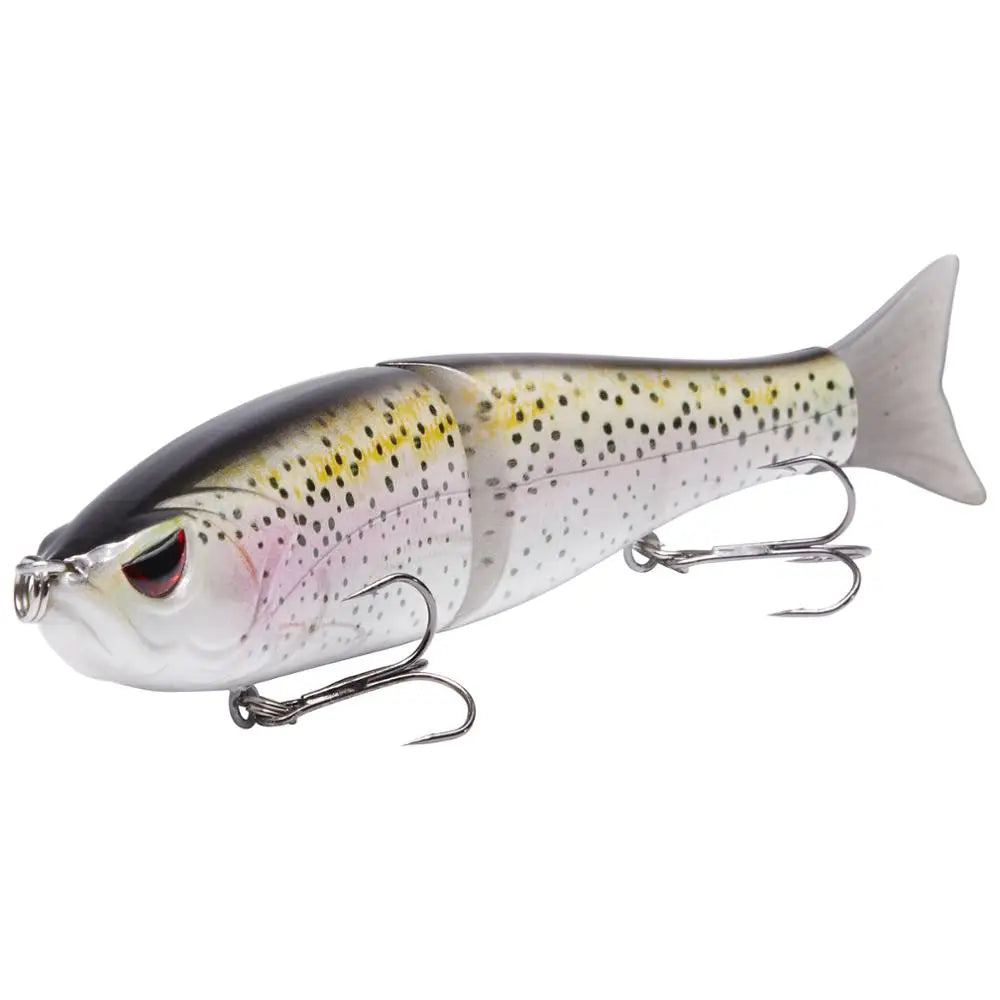
Skip if: you need a bait that sits still. This one is built to move.
🛒 Shop the Bassdash Paddle-Tail Swimbaits
10Pcs 9cm T-Tail Worm: The Long-Cast Finesse Option
These 9cm PVC paddle-tail worms are designed for long-distance casting with a slow, balanced swim action. Ten pieces per pack, fresh or saltwater.
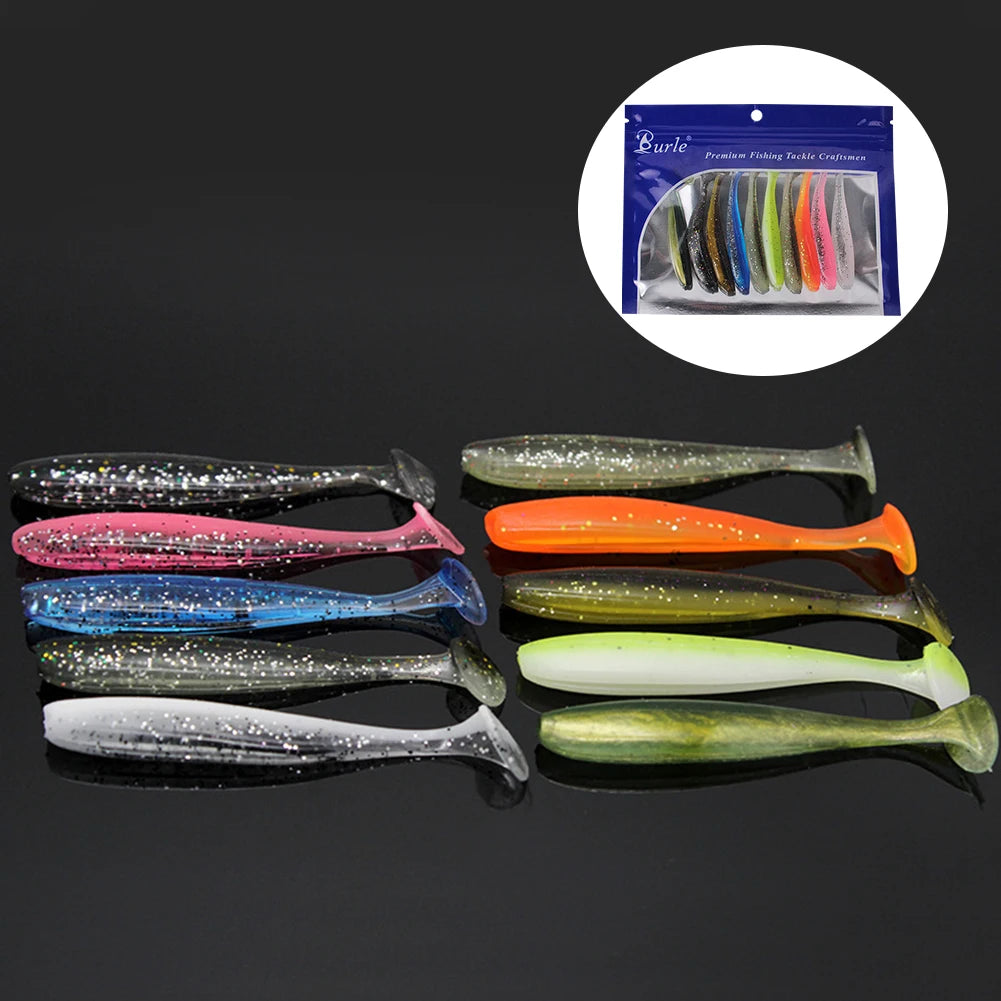
At 90mm, this is a 3.5-inch bait, the upper end for a light BFS rod, so check your rod's lure rating before you tie one on.
Skip if: your rod is rated for small lures only. Stay with the shorter baits.
🛒 Shop the 10Pcs 9cm T-Tail Worm
50PCS Metal Jig Bait Kit: The Budget Starter Box
This kit gives you 40 soft silicon lures plus 10 jig head hooks in one of three sizes, all in an included tackle box. The lures come pre-rigged on hooks.
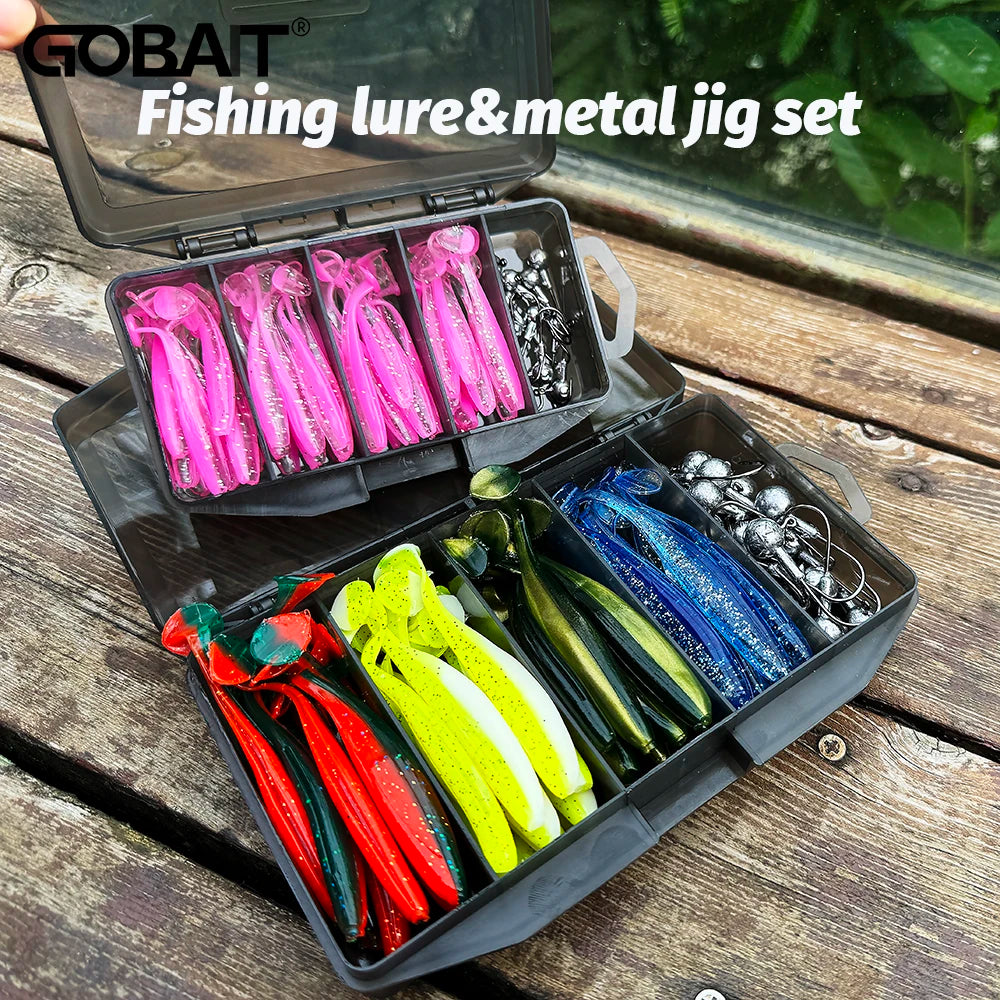
Kit A runs 5.5cm lures with 3g and 5g hooks. Kit B runs 7cm lures with 5g and 7g hooks. Kit C runs 10cm lures with 10g and 14g hooks. Convert grams before you compare them to a rod rating in ounces.
Skip if: you already know your bait and want a specific color or profile.
🛒 Shop the 50PCS Metal Jig Bait Kit
How to Rig Soft Plastics for BFS
Keep the total weight of bait and hook inside your rod's lure rating. Weigh the bait and hook together before you cast.
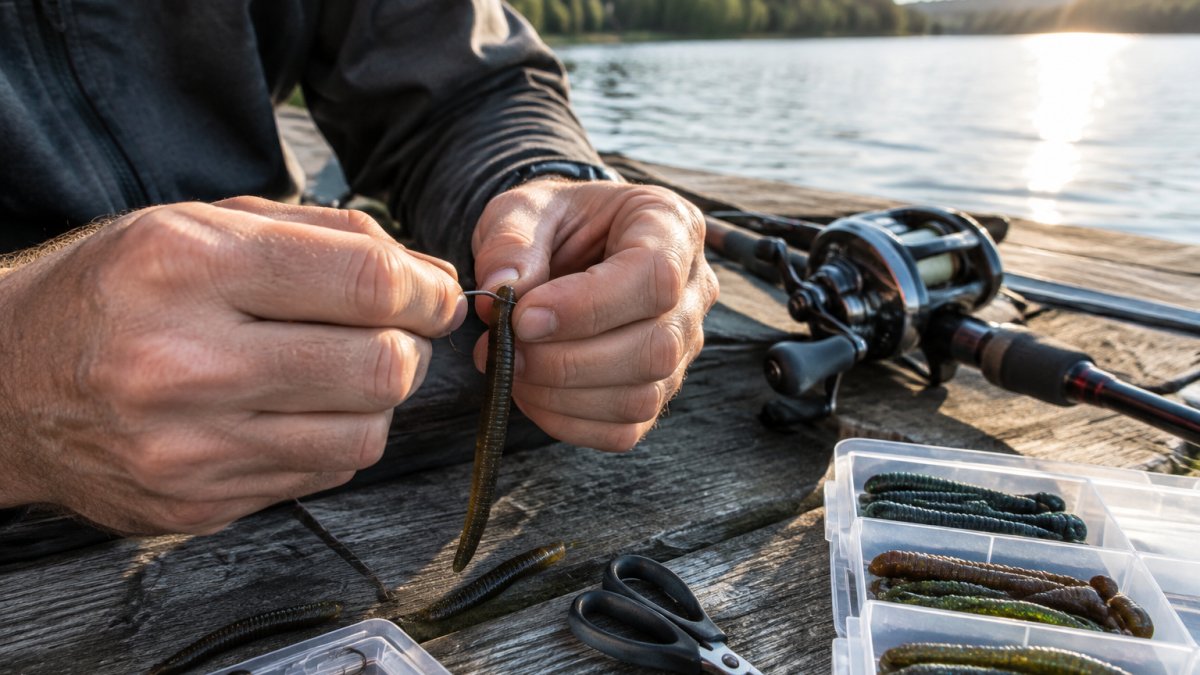
Drop Shot and Neko Rigs
The drop shot puts the weight below the bait, so the plastic stays in place while you shake it. Use a small hook and a light weight, and keep the leader short.
Check your rod's lure rating before you choose a hook and weight. Hook, bait, and weight together must stay inside it. Tie a Palomar knot to the hook, leave a 6 to 12 inch tag end, and attach the weight at the bottom. The shorter leader keeps the bait in the strike zone when bass are tight to cover.
The Neko rig adds weight to one end of the worm so it falls nose-down.
Watch out: if the Neko weight is too heavy for your rod's rating, the bait will cast poorly and the fall will be too fast. Weigh the worm and weight together before you tie on.
Wacky and Free Rigs
The wacky rig hooks the worm through the middle, so both ends move freely.
The free rig slides the weight on the line above the bait, so the plastic falls with little resistance.
For a deeper look at wacky rigging and when soft worms beat hard baits, read the 50-Piece Wacky Worm Kit review.
Hook Size and Weight: The BFS Compatibility Check
Match the hook to the bait, and keep the combined weight inside your rod's rating.
Weigh the bait and hook together on a small kitchen scale before you cast. If the total is outside your rod's lure rating, change the hook or the weight, not the rod.
If you are still deciding whether the whole approach is worth the investment, read whether BFS fishing is worth it for beginners before you buy a reel.
BFS Fishing Line for Soft Plastics
Line choice decides how well a light bait casts.
Match line diameter to the reel, not to the fish. A light spool needs light line to spin freely. Check the reel maker's line rating before you spool up, and do not guess.
Line weight numbers belong to the manufacturer, not to this article. Read the spool label and stay inside it.
Choosing the Best BFS Lures for Bass by Condition
| Condition | Bait | Rig | Why |
|---|---|---|---|
| Clear water, pressured fish | Finesse worm | Drop shot or Neko | Natural colors, slow fall, subtle action |
| Stained water, active fish | Paddle tail | Jighead or swimbait hook | Vibration and flash do the work |
| Cold water (below 50°F) | Small grub or finesse worm | Drop shot or free rig | Downsized bait, slow retrieve |
| Warm water, feeding fish | Paddle tail or T-tail worm | Cast and wind | Cover water, active fish chase |
| Heavy cover (grass, laydowns) | Creature bait or T-tail worm | Texas rig or free rig | Weedless presentation, falls through cover |
| Open water, long casts | T-tail worm | Texas rig or jighead | Extra length buys distance |
Water Clarity and Depth
Clear water and pressured fish call for natural colors and slow presentations, so a finesse worm on a drop shot or Neko rig fits. Stained water and active fish call for a paddle tail you can wind back, because vibration and flash do the work. In dirty water, a brighter color or a wider-kicking paddle tail gets noticed faster than a subtle finesse worm.
Depth matters too. In shallow water (under 10 feet), a weightless Texas rig or a wacky rig keeps the bait in the strike zone without spooking fish. In deeper water, a drop shot or a jighead gets the bait down faster, and the fall rate becomes part of the presentation.
Season and Water Temperature
Cold water slows bass down, so downsizing the bait and slowing the retrieve is a common approach.
A common pattern is that bass move shallower in spring and fall and deeper in summer and winter, but that varies by lake. The bait follows the fish: shallow cover calls for weedless rigs, deep structure calls for drop shots and jigheads.
Cover and Structure
Heavy cover, grass, laydowns, docks, calls for a weedless presentation. A Texas-rigged creature bait or T-tail worm slides through grass without snagging, and the free rig works well around grass because the weight slides up the line on the fall. Open water calls for a bait you can cast far and wind back, like a paddle tail or a T-tail worm.
Watch out: a bait that works in open water will snag constantly in heavy cover. Match the rig to the cover first, then pick the bait.
Bass Behavior: Active vs. Pressured
Active bass chasing baitfish will eat a moving bait, a paddle tail on a steady retrieve or a T-tail worm on a slow swim. Pressured bass holding tight to cover want a bait that sits still or falls slowly, a drop shot or Neko rig. If you get follows but no strikes, downsize the bait or slow the presentation before you change locations.
If you are still deciding whether the whole approach is worth the investment, read whether BFS fishing is worth it for beginners before you buy a reel.
Frequently Asked Questions
What is the most effective BFS bait for bass?
There is no single bait that wins everywhere, but a 2 to 3-inch paddle-tail swimbait is the most forgiving place to start. It casts well on light tackle, works on a simple cast-and-wind retrieve, and imitates the baitfish bass already eat. The Bassdash Paddle-Tail Swimbaits are a paddle-tail option with multiple colors in one pack. Keep a small worm for pressured fish and a compact jig kit for deeper water, then let the conditions decide.
How do you rig soft plastics for BFS bass fishing?
Match the hook to the bait and keep the total weight low enough for your rod's rating.
What size soft plastic should you use for BFS?
Most BFS soft plastics fall in the 1 to 3-inch range, with 2 to 3 inches covering most bass situations. The 50PCS Metal Jig Bait Kit comes in 5.5cm, 7cm, and 10cm options, and the T-Tail Worm measures 90mm (about 3.54 inches). Choose the size that matches the baitfish bass are feeding on.
Can you fish soft plastics on a BFS reel?
Yes, and that is what BFS reels are built for. The key is keeping the bait's total weight inside the rod and reel's rated range so the spool starts and stops cleanly. Keep the total weight of bait and hook inside the rod and reel's rated range.
What line works best for BFS soft plastics?
Check your reel's line rating before spooling, and follow the line manufacturer's specifications.
