

Table of Contents
- Understand Leash Laws and Trail Regulations
- How to Train a Dog for Hiking
- Dog Hiking Gear Checklist: What to Pack
- Hydration and Nutrition on the Trail
- Dog First Aid for Hikers: Preparation and Response
- Hiking With Dogs Etiquette and Leave No Trace
- Post-Hike Recovery and Injury Prevention
- Conclusion
Last Updated: August 6, 2026
Understand Leash Laws and Trail Regulations
Before hitting the trail with your dog, know the legal framework governing where your dog can go. Leash laws vary dramatically by state, county, and trail system, and ignorance isn't a defense when a ranger stops you mid-hike.
Most states require dogs to be on-leash in national parks, national forests, and designated wilderness areas. The National Park Service maintains strict policies: your dog must remain on a leash no longer than 6 feet at all times on park grounds. State parks often have their own regulations, some permit off-leash hiking in certain areas, while others mandate leashes everywhere.
Contact the managing agency directly before selecting your hiking destination. Call ahead or check their official website for current regulations. What was allowed last season might have changed due to wildlife concerns or safety incidents. Many popular hiking areas update rules annually, and outdated information can get you cited.
Local trail etiquette goes beyond legal requirements. Even where off-leash hiking is permitted, keep your dogs under voice control and visible at all times. A dog that charges at wildlife or other hikers reinforces negative perceptions about dogs on trails and threatens access for everyone.
How to Train a Dog for Hiking
Training begins long before you reach the trailhead. A prepared dog performs better, stays safer, and makes the experience enjoyable for everyone.
Start with basic obedience in controlled environments. Your dog needs reliable recall, loose-leash walking, and the ability to hold a stay. Train in your backyard first, then gradually introduce distractions: parks, busy streets, areas with other dogs.
Build physical conditioning gradually. Begin with short walks on varied terrain, hills, rocky paths, uneven surfaces, to condition muscles and paw pads. Increase distance and difficulty over 4-6 weeks before attempting longer backcountry hikes. Older dogs or breeds with joint concerns need even more conservative progression.
Use positive reinforcement exclusively. Reward your dog for staying close, responding to commands, and maintaining focus. Use high-value treats, chicken, cheese, or commercial training treats, that your dog will work for even when distracted. Punishment-based methods create anxiety and unpredictable behavior in remote settings.
Practice trail-specific scenarios in advance. Set up obstacles in your yard: low jumps, balance beams, narrow passages. Expose your dog to water crossings, muddy terrain, and steep descents. Play sounds that mimic trail conditions, other dogs barking, hikers talking, bells ringing, to desensitize your dog to these triggers.
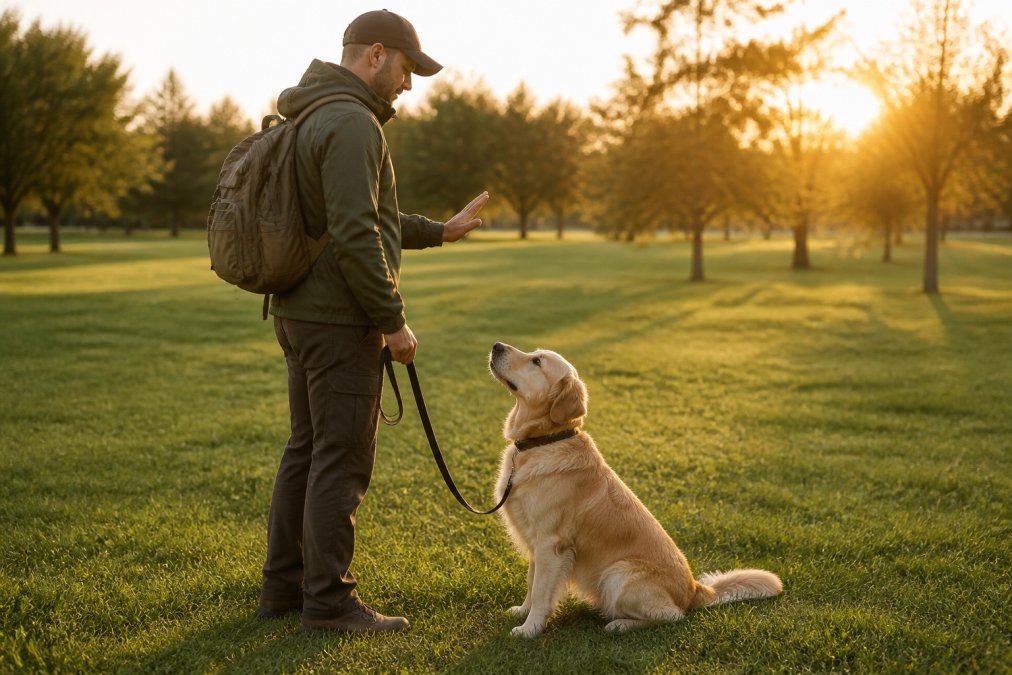
Consider working with a professional trainer if your dog has behavioral issues, high prey drive, or reactive tendencies. This investment pays dividends on the trail, where misbehavior creates safety risks.

Dog Hiking Gear Checklist: What to Pack
The right gear transforms a difficult hike into a manageable one. Your dog hiking gear checklist should include items that protect, hydrate, and support your dog's performance.
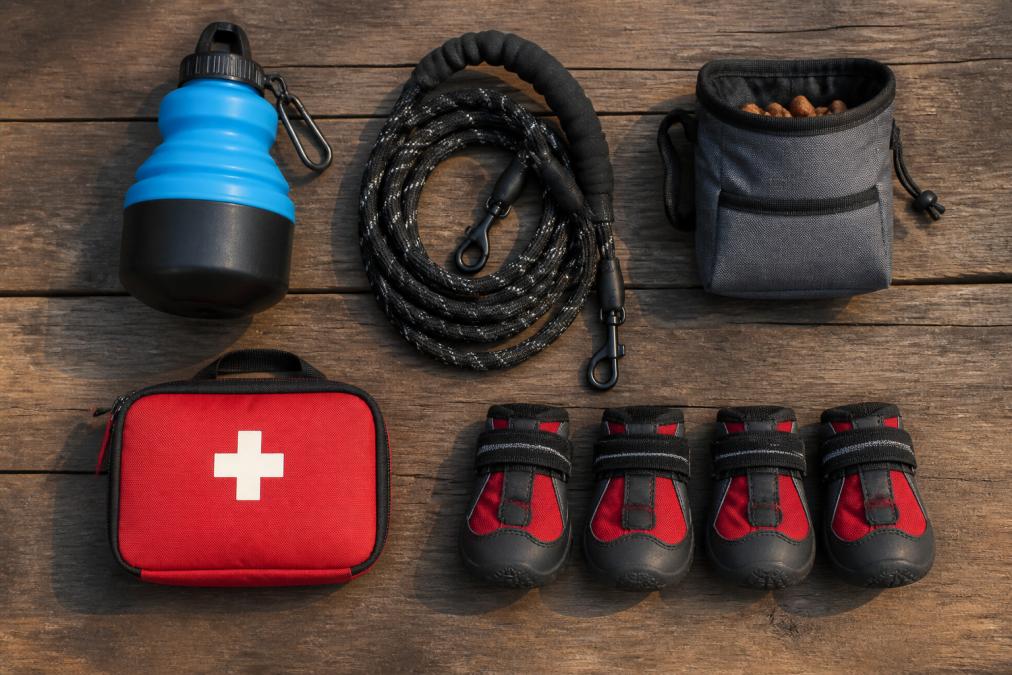
Start with a proper hiking leash and collar. A hands-free waist leash distributes weight across your hips rather than your shoulders, crucial on long hikes where you need both hands free for balance. A well-fitted harness distributes pressure across your dog's chest and shoulders, reducing strain on the neck and spine. Avoid retractable leashes on trails; they're difficult to control and can tangle around obstacles.
Paw protection is essential. Dog booties shield paws from sharp rocks, hot pavement, ice, and rough terrain. Introduce booties during training walks weeks before your hike. Look for booties with secure fastening systems that won't slip off mid-stride. Alternatively, paw wax or balm creates a protective layer and improves grip on slippery surfaces.
A collapsible water bowl and portable water bottle keep your dog hydrated without requiring them to drink from streams or lakes, which may contain parasites or harmful bacteria. Giardia and cryptosporidium contaminate many natural water sources, making portable hydration essential.

Pack a dog-specific first aid kit containing bandages, antiseptic wipes, tweezers for splinter removal, pain relief medication (consult your vet on dosage), and any prescription medications your dog takes. Include a microfiber towel for quick drying; wet dogs lose body heat rapidly, especially at higher elevations or in cool weather.
Consider a dog backpack if your dog is large enough to carry their own supplies. Dogs can comfortably carry 10-15% of their body weight. Pack light items: treats, waste bags, a small first aid kit.
A GPS tracker or microchip provides peace of mind. If your dog gets separated from you on the trail, a microchip registered with the AKC Reunite database increases the chance of recovery. GPS trackers allow real-time location monitoring and are invaluable for dogs with high prey drive.
Bring biodegradable waste bags. Leave No Trace principles require you to pack out all waste. Never bury waste; pack it out completely.
Hydration and Nutrition on the Trail
A dog's hydration needs increase dramatically during physical activity. Dehydration leads to heat exhaustion, muscle cramps, and impaired performance.
Offer water every 20-30 minutes during moderate hiking, or every 15 minutes during strenuous activity. Watch for signs of dehydration: excessive panting, dry gums, lethargy, or reluctance to continue. If your dog shows these signs, stop immediately, provide water and shade, and consider turning back.
The amount of water your dog needs depends on temperature, humidity, elevation, and intensity. A general guideline is 0.5-1 ounce of water per pound of body weight per day, but active dogs on trails need significantly more. Bring at least twice the water you think you'll need.
Nutrition on the trail sustains energy and prevents bonking. Pack high-calorie treats: peanut butter, cheese, cooked chicken, or commercial dog treats formulated for active dogs. Offer small amounts every 45 minutes to an hour, depending on intensity. Never wait until your dog is exhausted to feed; maintain steady energy throughout the hike.

Avoid feeding large meals immediately before or after intense activity. A heavy meal combined with vigorous exercise increases the risk of bloat, a life-threatening condition. Wait at least 2 hours after a meal before hard hiking, and allow 1-2 hours of rest before feeding after the hike.
High-elevation hiking increases caloric demands. At elevation, your dog's body works harder to process oxygen, burning more calories. Pack additional treats and monitor your dog's energy levels closely. Older dogs or those with underlying health conditions may struggle more at altitude.
Dog First Aid for Hikers: Preparation and Response
Injuries and medical emergencies happen on the trail, often far from veterinary care. Preparation and knowledge can mean the difference between a manageable situation and a crisis.
Common hiking injuries include paw pad cuts, muscle strains, heat exhaustion, hypothermia, and dehydration. Your first aid kit should contain items to address each: bandages and gauze for cuts, pain relief medication, tweezers for splinter or cactus spine removal, and a thermometer to monitor body temperature.
For paw pad cuts, clean the wound with antiseptic wipes, apply antibiotic ointment, and bandage securely. If bleeding doesn't stop after 10 minutes of pressure, the cut may require stitches. You may need to carry your dog out or create a makeshift boot from a sock and athletic tape.
Heat exhaustion manifests as excessive panting, drooling, weakness, and vomiting. Stop immediately, move to shade, and offer water in small amounts, frequently. Never force water down a dog's throat. If symptoms don't improve within 15 minutes, evacuate to veterinary care.
Hypothermia occurs at higher elevations or in cold, wet conditions. Signs include shivering, lethargy, and loss of coordination. Warm your dog gradually using dry blankets or your own body heat. Avoid rapid rewarming, which can cause shock. Get to shelter and veterinary care as soon as possible.
Muscle strains cause limping or reluctance to use a limb. Rest is the primary treatment. If your dog can't bear weight on a limb, you may need to carry them out or create a sling to support the injured leg.
Always carry your vet's emergency contact information and know the location of the nearest emergency veterinary clinic to your trailhead. Plan your hike accordingly and consider turning back early if your dog shows signs of distress.
Hiking With Dogs Etiquette and Leave No Trace
Trail etiquette for dogs goes beyond leash laws. Responsible dog owners actively manage their dogs' impact on the trail ecosystem and other hikers' experiences.
Leave No Trace principles apply directly to hiking with dogs. Pack out all waste in biodegradable bags; never bury it. Keep your dog on designated trails to prevent erosion and protect fragile vegetation. Avoid letting your dog splash through streams or jump in lakes where other hikers might draw water downstream.
Respect other trail users. Step to the side when you encounter hikers without dogs, especially on narrow trails. If your dog is reactive or anxious around other dogs, proactively move off the trail and create distance.
Wildlife encounters require special care. Keep your dog close and under control if you see deer, elk, or other wildlife. A dog that chases wildlife can be injured, stresses the animal, and violates Leave No Trace principles. If you encounter wildlife, leash your dog immediately and move away slowly.
Educate other hikers about your dog's behavior if they seem concerned. A simple "She's friendly and under control" reassures anxious hikers. Respect the space of hikers who seem uncomfortable; not everyone loves dogs.
Never allow your dog to approach other hikers or their dogs without permission. Ask before allowing interaction: "Would you like to say hello?" This simple courtesy prevents conflicts and models good trail behavior.
Post-Hike Recovery and Injury Prevention
The hike doesn't end when you reach the trailhead. Post-hike care determines whether your dog recovers fully or develops chronic issues.
Begin recovery immediately. After a strenuous hike, allow at least 24 hours of light activity before the next hard hike. Short, easy walks promote blood flow and aid recovery without further stressing muscles. Avoid jumping, running, or playing fetch for 48 hours post-hike.
Inspect your dog thoroughly for injuries. Check paw pads for cuts, cracks, or embedded debris. Look for ticks, which are common after hiking in brushy or wooded areas. Use tweezers to remove ticks by grasping them at the base and pulling straight out; don't twist or crush them.
Bathe your dog within a few hours of returning home. A warm bath removes dirt, parasites, and irritants. Use a gentle dog shampoo and dry completely, especially if your dog has long fur.
Monitor for delayed injuries over the next few days. Muscle soreness, limping, or reluctance to use stairs may indicate strain. Rest and limited activity are the primary treatments. If limping persists beyond 2-3 days, consult your veterinarian.
Adjust your training based on your dog's recovery. If your dog seems overly fatigued or sore after a particular distance or terrain, scale back future hikes. Older dogs or those with joint issues need longer recovery periods.
Consider supplements that support joint health and recovery. Glucosamine and chondroitin support cartilage health, while omega-3 fatty acids reduce inflammation. Discuss supplementation with your veterinarian, especially for older dogs or those with pre-existing joint conditions.
Regular veterinary check-ups ensure your dog stays healthy for trail activities. Annual exams catch developing issues before they become serious. For dogs over 7 years old, consider twice-yearly exams and baseline bloodwork to monitor organ function.
Hiking with trail dogs transforms your outdoor experience, but it demands preparation and responsibility. The gear you choose, the training you invest in, and the post-hike care you provide determine whether your dog thrives on the trail or suffers from preventable injuries.
At Leash the Wilderness, we've built our entire product line around one principle: your dog's safety and performance matter as much as your own. Preparation prevents problems. When you're miles from help, the right gear and knowledge become your insurance policy. Start with essentials, a reliable leash, proper hydration system, and a first aid kit, and build from there. Your dog will reward you with years of reliable companionship on the trail.
Frequently Asked Questions
How do I prepare my dog for a long hike?
Start with shorter distances and gradually build stamina over weeks. Condition your dog on varied terrain to strengthen legs and paws. Practice recall training in low-distraction settings before hitting the trail. Check vaccination records and ensure your dog is microchipped. Consult your veterinarian about fitness level, especially for older dogs or those with joint issues. Build positive associations with gear like booties and packs before the hike.
What should I pack for my dog when hiking?
Bring a collapsible water bowl and portable water bottle to prevent dehydration. Pack high-calorie treats and a lightweight dog pack if your dog can carry weight. Include a first aid kit with bandages, antiseptic, and tick removal tools. Carry biodegradable waste bags and a leash. Consider booties for rough terrain and a microfiber towel for drying. A basic dog hiking gear checklist should also include identification tags and vaccination records in a waterproof pouch.
Are dogs allowed on all hiking trails in the US?
No. Leash laws vary by state, county, and individual trail. Most national parks require dogs on-leash at all times; some restrict dogs entirely. State parks have different rules. Always check trail regulations before you go, contact the managing agency or visit the trail's official website. Even where off-leash hiking is allowed, trail etiquette demands you keep your dog under voice control and away from other hikers and wildlife.
How do I keep my dog safe from wildlife on the trail?
Maintain a tight leash in areas with known wildlife. Practice solid recall training so your dog responds instantly to your voice. Keep your dog close on narrow sections and at dusk when wildlife is most active. Avoid hiking during mating or denning seasons if possible. Carry a whistle to alert wildlife to your presence. Watch for signs of ticks, snakes, and insects. If you encounter wildlife, back away slowly without running and keep your dog calm and close.
This article was written using GrandRanker