

Table of Contents
- Recovery and Self-Rescue Equipment for Off-Road Reliability
- Best Overlanding Power Solutions for Extended Backcountry Trips
- Camp Cooking Gear for Overlanding: Lightweight and Durable
- Vehicle Storage and Modular Organization Systems
- Roof-Top and Ground Tent Options for Wilderness Camping
- Weight Management and Payload Capacity Planning
- Building Your Rugged Outdoor Gear Kit
Last Updated: August 11, 2026
Recovery and Self-Rescue Equipment for Off-Road Reliability
Recovery and self-rescue equipment is the foundation of safe overlanding. When you're miles from the nearest road, a broken axle or deep mud isn't just inconvenient, it's a genuine survival situation. The right gear transforms a potential disaster into a manageable setback.
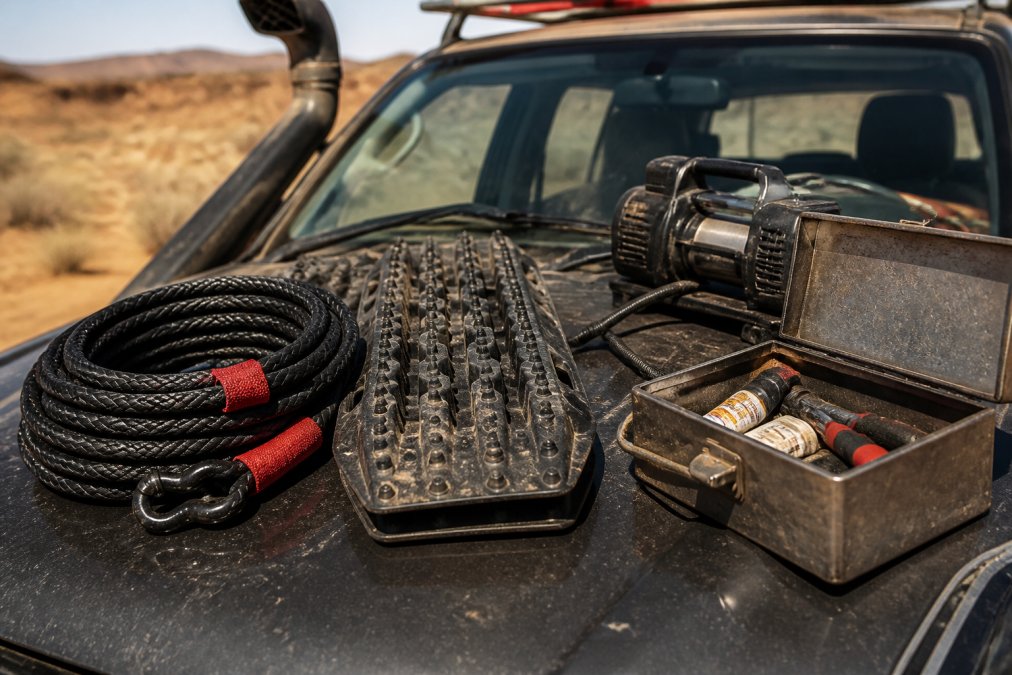
Kinetic ropes differ from standard tow straps in a critical way: they stretch under load, absorbing the energy of a stuck vehicle rather than creating a sudden jolt that can snap components or injure occupants. A quality kinetic rope rated for your vehicle's weight is non-negotiable. Traction boards, flat, interlocking devices placed under tires, give you grip on sand, mud, or snow without requiring a winch. Many overlanders find these solve 80% of extraction problems before a winch even enters the picture.
Air compressors serve dual purposes: they re-inflate tires after you've aired down for traction (essential for rough terrain), and they power pneumatic tools for field repairs. A portable unit that runs off your auxiliary battery or a portable power station keeps you self-sufficient. Tire plug kits and patch tools are lightweight insurance; a single puncture in remote terrain can end your trip without them.

Winches are the heavy artillery. A quality electric winch with synthetic rope handles recovery situations that kinetic ropes cannot. The trade-off is weight, power draw, and cost, factors that matter when planning your vehicle's payload capacity. Many serious overlanders start with kinetic ropes and traction boards, then add a winch only after field experience shows they need it.
At Leash the Wilderness, we've curated recovery gear that balances reliability with the weight constraints overlanders actually face. Field-tested equipment means gear that's proven under real conditions, not just rated theoretically.
Best Overlanding Power Solutions for Extended Backcountry Trips
Power management separates comfortable overlanding from survival mode. Extended trips demand reliable energy for navigation, communication, refrigeration, and camp lighting. The wrong choice leaves you dead batteries and no way to charge devices when you need them most.
Portable power stations have become the standard for serious overlanders. Unlike traditional generators, they run silently, require no fuel, and produce no emissions, critical when you're camped in pristine wilderness. A LiFePO4 battery (lithium iron phosphate) offers superior cycle life compared to older lithium chemistries. These batteries tolerate deep discharges without degradation, meaning you can drain them fully and recharge repeatedly without losing capacity.

The GaiaRay Portable Power Station 300W 500W 256Wh delivers 256Wh of storage with 500W output, sufficient for phones, laptops, and small camp appliances. It's compact enough to fit under a seat or in a gear locker. For teams staying in one camp for multiple days, the ALLPOWERS R600 Portable Powerstation 299wh provides 600W output, handling larger loads like small refrigerators or power tools.

Extended expeditions, two weeks or longer in remote areas, justify larger capacity. The Camping Equipment Portable Power Station 2048WH and SOLARPLAY Q2501 Portable Power Station 2160WH offer multi-day autonomy without recharging. These units pair with solar panels to create true off-grid energy independence.
| Power Solution | Capacity | Best For | Recharge Time |
|---|---|---|---|
| GaiaRay 256Wh | Weekend trips | Phones, laptops, lights | 4-6 hours |
| ALLPOWERS R600 | 3-5 day camps | Small appliances, tools | 6-8 hours |
| Camping Equipment 2048Wh | Extended expeditions | Full camp independence | 12+ hours |
| SOLARPLAY Q2501 | Off-grid living | Solar integration, long trips | 8-10 hours |
Weight matters more than capacity sounds. A 2000Wh power station weighs 40+ pounds. If your vehicle has limited payload capacity, a smaller unit paired with solar panels often outperforms a single massive battery. Calculate your actual power draw before buying, most overlanders overestimate their needs and end up hauling unnecessary weight.
Camp Cooking Gear for Overlanding: Lightweight and Durable
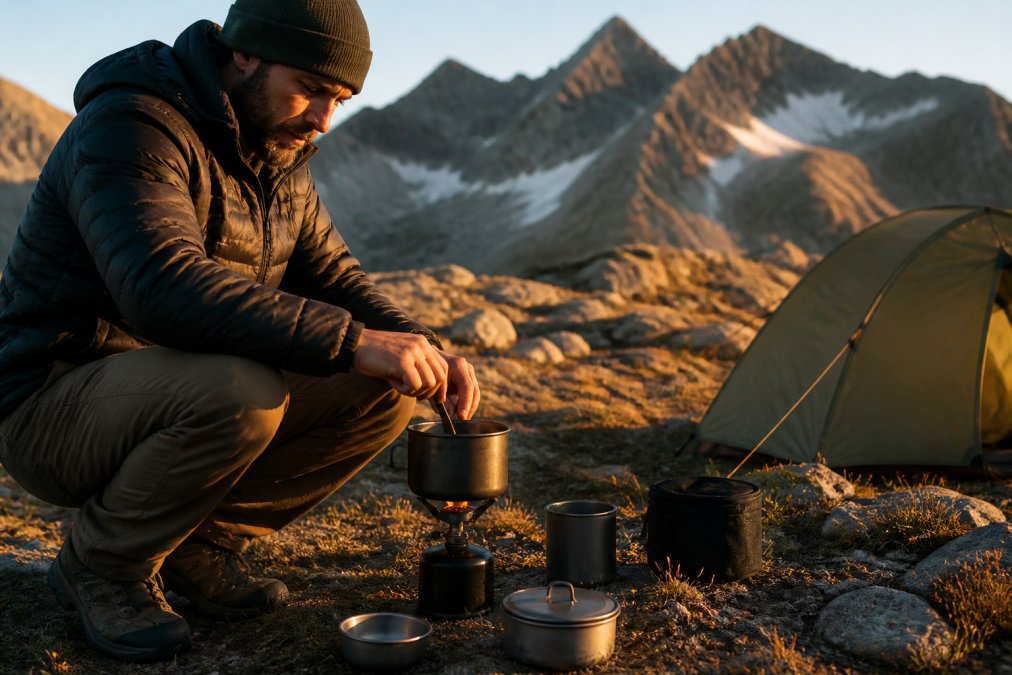
Camp cooking separates expeditions from survival trips. The right camp cooking gear for overlanding transforms field rations into meals that sustain morale and energy on extended trips. Weight and durability define the category, your cookware must survive repeated packing, unpacking, and exposure to weather without failing.
Titanium cookware dominates serious overlanding because it's nearly indestructible, lightweight, and distributes heat evenly. Aluminum is cheaper and lighter but dents easily; stainless steel is durable but heavy. Most overlanders find that titanium's higher upfront cost pays for itself through durability and weight savings on long trips.
Portable camp stoves fall into two categories: canister stoves (compact, fuel-efficient, suitable for fair weather) and liquid-fuel stoves (heavier, more reliable in extreme cold, better for extended use). A quality stove with integrated pot supports eliminates the need for separate grates or stands.
The Camp Cookware & Burner bundles a complete system, cookware, utensils, and burner, in one integrated kit. For teams cooking larger meals, the 8-Piece Cookware Set offers multiple pots and pans without excessive weight. Both prioritize durability and nesting design for compact storage.
Common mistake: buying oversized cookware. A two-person team rarely needs more than a 2-quart pot and single pan. Excess capacity means excess weight and bulk. Start small, add capacity only if field experience shows you need it.
Key considerations for camp cooking gear:
- Nesting design reduces pack volume
- Non-stick coatings add weight; bare titanium cleans easily with sand
- Lids double as serving plates or frying surfaces
- Integrated handles prevent burns and save weight versus separate pot grips
Vehicle Storage and Modular Organization Systems
Organization separates functional overlanding from chaos. A disorganized vehicle wastes payload capacity, makes gear impossible to find, and creates safety hazards when items shift during off-road driving. Modular storage systems let you configure space for your specific trip duration and terrain.
Roof-mounted cargo boxes offer weather protection and free up interior space. Hard cases survive impacts and UV exposure better than soft bags. Soft bags compress when not full, saving weight on shorter trips. The trade-off is durability, soft bags require careful packing to prevent gear damage.
Under-vehicle storage (belly boxes, side lockers) keeps weight low and centered, improving handling on technical terrain. Drawers and pull-out systems make gear accessible without unpacking the entire vehicle. Many overlanders combine roof storage for bulky items with side lockers for frequently accessed gear.
Weight distribution matters more than most guides acknowledge. Heavy items belong low and forward (near the vehicle's center of gravity). Lightweight gear, sleeping bags, clothing, camp furniture, goes high and rear. Poor weight distribution reduces traction on climbs, increases rollover risk, and makes the vehicle harder to control on descents.
Roof-Top and Ground Tent Options for Wilderness Camping
Shelter choices define overlanding comfort. Roof-top tents (RTTs) offer quick setup, elevated sleeping surfaces (away from ground moisture and insects), and views. Ground tents provide more interior space and better ventilation for hot climates. The right choice depends on vehicle payload, trip duration, and expected weather.
Roof-top tents mount on roof racks and deploy in minutes. Setup time matters when you're exhausted after a long drive. Most RTTs sleep two adults comfortably. Weight is the trade-off, quality RTTs weigh 80-150 pounds, significantly impacting payload capacity and fuel economy. Mounting hardware and roof racks add another 50+ pounds.
Ground tents offer more space for the weight. A quality 4-season ground tent weighs 5-8 pounds and provides room for two people plus gear storage. Setup takes 10-15 minutes. Ground tents require level, dry ground, a constraint in wet climates or flood-prone areas.
Three-season tents suit most overlanding: they handle spring through fall conditions but lack the insulation for extreme cold. Four-season tents add weight and cost for winter capability, justified only if you regularly camp in snow or high-altitude terrain.
Ventilation design prevents condensation buildup, which damages gear and creates discomfort. Look for tents with mesh panels and adjustable vents. Poor ventilation turns any tent into a moisture trap, regardless of price.
Weight Management and Payload Capacity Planning
This section separates competent overlanders from those who discover mid-trip that their vehicle is dangerously overloaded. Every vehicle has a manufacturer-specified Gross Vehicle Weight Rating (GVWR), the maximum total weight it can safely carry, including passengers, fuel, and all gear.
Exceeding GVWR degrades braking performance, reduces traction, increases rollover risk, and voids warranties. Yet many overlanders load their vehicles without calculating actual weight. A single camping trip can easily add 500-800 pounds: water (8 pounds per gallon), fuel reserves, recovery gear, cookware, tents, sleeping bags, and tools.
Calculate your setup:
- Dry vehicle weight (from manufacturer specs)
- Fuel capacity (full tank)
- Water storage (if carrying reserves)
- Passengers
- All gear, organized by category
Weigh everything if possible. Bathroom scales work for individual items; truck scales at agricultural co-ops or waste facilities weigh complete vehicles for $5-15. The actual weight almost always exceeds estimates.
Once you know your payload margin, prioritize ruthlessly. Recovery gear and safety equipment come first. Comfort items (extra cookware, camp furniture, entertainment) come last. A 100-pound margin forces difficult choices, and that's appropriate. Overlanding at the edge of capacity is dangerous.
Building Your Rugged Outdoor Gear Kit
Assembling a complete overlanding setup feels overwhelming. The gear ecosystem is vast, prices vary wildly, and it's easy to buy expensive items you never use. A systematic approach prevents waste and ensures you have what actually matters.
Start with safety and recovery. Kinetic ropes, traction boards, and a tire repair kit are non-negotiable. These items have saved countless overlanders from multi-day waits for rescue. Every other gear category is secondary.
Add shelter and sleeping systems next. A quality tent or roof-top tent and sleeping bags rated for your expected temperatures prevent hypothermia and discomfort. Poor sleep degrades decision-making and increases accident risk on technical terrain.
Power and lighting come third. A portable power station keeps phones charged for navigation and emergency communication. Headlamps and camp lights enable safe movement after dark. Navigation devices (GPS, maps, compass) are safety equipment, not luxuries.
Camp cooking gear ranks fourth. Food and water sustain energy and morale. A simple stove and cookware matter more than elaborate camp furniture.
Only after these core categories should you add comfort items: camp chairs, tables, extra storage, entertainment. These improve the experience but don't affect safety or core function.
Many overlanders benefit from bundled kits that combine complementary gear. Leash the Wilderness offers curated kits, like the Backcountry Power Kit, that bundle items most overlanders actually use together. Bundled kits often cost less than buying items individually and eliminate the paralysis of choosing from hundreds of options.
| Gear Category | Priority | Rationale | Example Items |
|---|---|---|---|
| Recovery & Safety | 1 (Essential) | Prevents being stranded | Kinetic rope, traction boards, tire kit |
| Shelter & Sleep | 2 (Essential) | Prevents hypothermia, enables rest | Tent, sleeping bag, pad |
| Power & Navigation | 3 (Essential) | Enables communication, safe travel | Power station, GPS, headlamp |
| Cooking | 4 (Essential) | Sustains energy and morale | Stove, cookware, water containers |
| Comfort & Storage | 5 (Optional) | Improves experience | Camp chairs, tables, storage boxes |
Building rugged outdoor gear for overlanding trips requires honest assessment of your vehicle's capacity, your actual trip duration, and the terrain you'll encounter. The best kit isn't the most expensive or comprehensive, it's the one you'll actually carry and use. Start with safety and shelter, add power and navigation, then expand based on field experience. Many overlanders spend years refining their setup, discovering through real trips what works and what wastes space. That iterative approach beats trying to buy the "perfect" kit before you've tested your assumptions. Leash the Wilderness helps serious overlanders skip the learning curve by offering field-tested gear bundles that combine complementary items proven on actual expeditions. Shop all bundles to find kits matched to your specific overlanding style and vehicle capacity.
Frequently Asked Questions
What is the most important rugged outdoor gear for overlanding?
Recovery equipment tops the list, a kinetic rope, traction boards, and air compressor are non-negotiable for self-rescue when stuck. Beyond that, power solutions and reliable camp cooking gear keep you functional in the backcountry. Field-tested gear that won't fail under real-world conditions separates serious overlanders from casual campers. Start with recovery, add power, then layer in comfort items.
How do I choose the right power solution for off-grid overlanding?
Match your power needs to trip length and device requirements. A 256Wh portable power station works for weekend trips with phones and small devices. Extended backcountry expeditions demand 2000Wh+ capacity with LiFePO4 battery technology for reliability in cold weather. Consider solar charging capability if you're staying longer than three days. Portable power stations offer more durability than traditional generators for rough terrain.
What camp cooking gear is actually essential for overlanding trips?
A lightweight camp stove, durable cookware set, and reliable fuel source are the foundation. Look for rattle-free, corrosion-resistant cookware that handles rough transport. A portable burner paired with quality pots and pans eliminates dependence on campfires in wet conditions. Prioritize gear that's compact, weighs under 10 pounds, and won't fail when you're miles from resupply. Field-tested camp cooking systems ensure hot meals in any weather.
How do I know if overlanding gear is truly field-tested or just marketing?
Real field-tested gear shows signs of actual use: corrosion resistance in salt and mud, reinforced seams, and materials rated for temperature extremes. Look for products with detailed durability specs, not vague claims. Gear from retailers who specialize in serious outdoor use typically backs their selection with real-world testing. Check return policies and warranty terms, companies confident in their gear stand behind it with 30-day returns and straightforward support.
This article was written using GrandRanker