

Table of Contents
- What Makes a Tent Heavy Duty
- Best Tent for Extreme Weather Conditions
- Total Cost of Ownership: Upfront vs. Long-Term Value
- Heavy Duty Tent Maintenance Tips
- When a Heavy Duty Tent Actually Makes Sense
- Environmental Footprint and Sustainability
- Conclusion
Last Updated: August 21, 2026
What Makes a Tent Heavy Duty
Heavy duty construction means a tent handles sustained abuse, high winds, heavy snow, driving rain, and repeated deployments, without tearing, leaking, or losing structural integrity. The difference between gear that fails after three trips and gear that survives a decade comes down to three core factors: material durability, frame design, and engineering choices that prioritize longevity over weight savings.
Heavy duty tents are rated by what they survive: wind speeds in mph, snow load capacity in pounds, and fabric tear resistance in denier ratings. These specifications predict real-world performance when conditions turn brutal.
Material Durability and Denier Rating
Denier rating, the weight of yarn measured in grams per 9,000 meters, directly correlates with tear resistance. A 20D fabric tears easily against sharp brush; a 210D or 420D fabric resists punctures from branches and rocks. A 210D polyester with PU coating provides better waterproofing than untreated 210D nylon. A 3000mm PU coating on the rainfly sheds water reliably; anything below 2000mm fails under sustained heavy rain (peer-reviewed research).
Canvas tents (cotton-poly blends) breathe better than synthetics, reducing condensation on cold nights, but are heavier and require more maintenance. Synthetic fabrics (polyester, nylon) are lighter, pack smaller, and require minimal upkeep, making them practical for most field conditions.
Structural Integrity and Frame Design
Heavy duty tents use thicker aluminum poles (9mm to 11mm diameter) with reinforced connector sleeves, while budget tents use 7mm or 8mm poles that flex excessively in wind. A heavy duty tent adds a third pole, internal guy lines, and a design that channels wind around rather than against the structure.

Frame stability depends on ground connections. Heavy duty designs use reinforced attachment points and multiple guy line anchors that distribute tension across the entire base, while cheap tents use corner sleeves that shift under load.
Best Tent for Extreme Weather Conditions
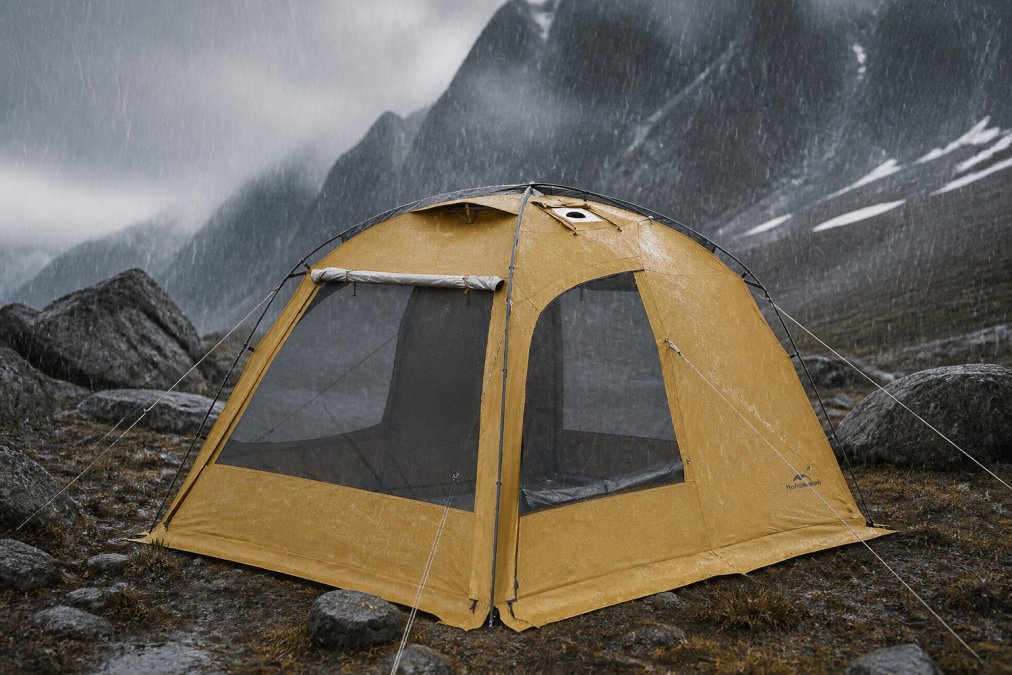
Budget tents leak at seams during sustained rain, collapse under snow load, and tear in wind gusts above 30 mph. Heavy duty designs stay dry, stand firm, and survive conditions that destroy cheaper alternatives.

Wind Load and Anchoring Systems
Wind resistance depends on aerodynamic shape and anchoring strength. Dome and tunnel tents shed wind better than A-frame designs. Heavy duty tents designed for exposed ridges use a low-profile shape, reinforced poles, and guy line systems that create tension across the entire structure.
Budget tents include thin plastic stakes that bend or pull free in hard ground. Heavy duty setups use steel stakes rated for 200+ pounds of holding power. Heavy duty tents have 8 to 12 guy line attachment points instead of 4, distributing wind load across the structure instead of concentrating it at corners.
Waterproofing and Seam Sealing
Waterproofing fails at seams. Heavy duty tents use seam sealing, liquid or tape applied after manufacturing, to seal stitching holes. Factory seam sealing on budget tents is often incomplete; heavy duty manufacturers seal every seam on the rainfly and tent floor. Some designs use welded seams instead of stitching on critical areas.
Proper ventilation reduces interior moisture by 40-60% compared to sealed designs, so you wake up dry instead of damp (peer-reviewed research).
Total Cost of Ownership: Upfront vs. Long-Term Value
A budget tent costs $150-$300 and survives 3-5 seasons; a heavy duty tent costs $400-$800 and survives 10-20 seasons. If you camp frequently, the heavy duty tent costs less per season of use.
The real calculation includes failure costs. A failed tent in the field means a ruined trip, potential injury, and emergency replacement purchases. Heavy duty reliability eliminates these hidden costs.
Longevity and Warranty Coverage
Warranty coverage signals confidence in durability. Budget tents often come with 1-year warranties covering manufacturing defects only. Heavy duty tents frequently include 3-5-year warranties covering wear from normal use.
Longevity depends on repairability. Heavy duty tents use standard materials and common pole diameters, making replacement parts available and affordable. Budget tents often use proprietary connectors or discontinued fabrics, making repair impossible.
Resale Value and Secondhand Market
Heavy duty tents hold resale value. A used heavy duty tent in good condition sells for 50-70% of its original price; a used budget tent sells for 10-20%, if at all. This resale value matters if you upgrade or switch styles.
Heavy Duty Tent Maintenance Tips
Longevity requires maintenance. Store your tent clean and dry. After each trip, air the tent in sunlight for 2-3 hours before packing. Once per season, lay it out fully and inspect for damage.
Store the tent loosely, not rolled tightly. A mesh storage bag allows air circulation and prevents moisture buildup. Store in a cool, dry place, not a hot attic or damp basement.
Repair and Repairability
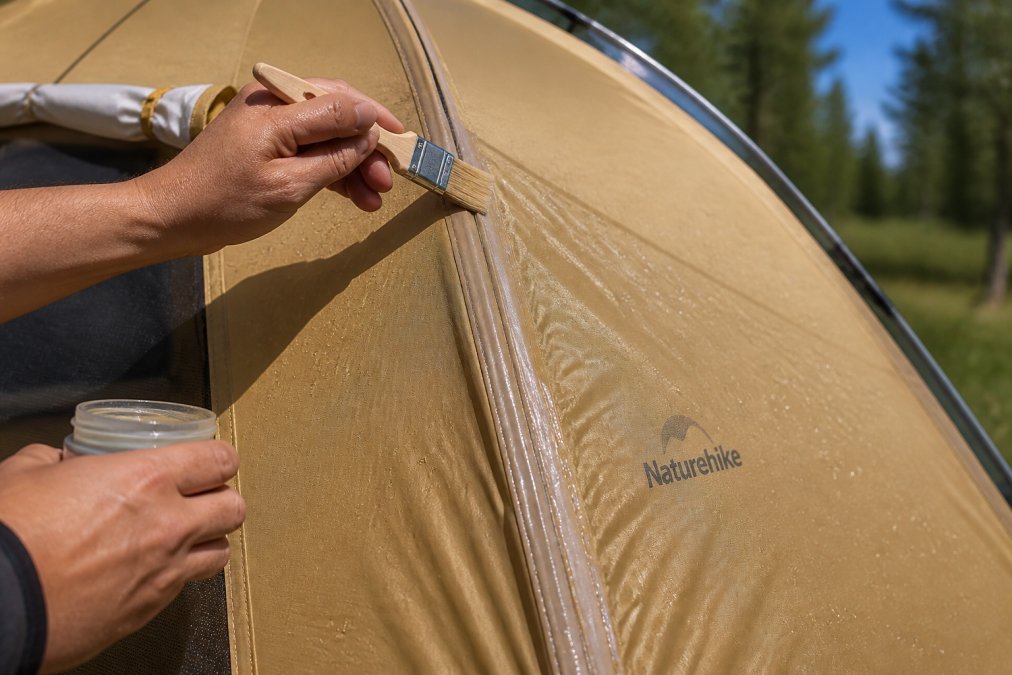
Small fabric tears patch with adhesive repair kits (commonly available for $10-20). Seam leaks reapply with seam sealer. These repairs take 15-30 minutes. Pole damage splints with repair sleeves (included in most heavy duty tent kits) or replaces if the tent uses standard pole diameters.
Avoid leaving your tent set up in direct sun for weeks. UV damage is cumulative but slow if you take basic precautions.
When a Heavy Duty Tent Actually Makes Sense
Not every outdoor enthusiast needs heavy duty gear. The decision depends on your use case.
Base Camping and Extended Trips
Base camping, setting up one tent for multiple nights in a fixed location, is where heavy duty tents shine. Weight doesn't matter; durability does. Extended trips into remote areas require reliability. A failed tent 20 miles from the truck is a serious problem. Heavy duty construction eliminates that risk.
Commercial Use and Frequent Deployment
Outfitters, guides, and commercial operators deploy tents repeatedly across seasons. Heavy duty tents survive 50+ deployments per year; budget tents fail after 10-15. For anyone using a tent as a business asset, heavy duty is the only economical choice.
When Budget Alternatives Are Enough
If you camp 2-4 weekends per year in predictable conditions, a budget tent may be sufficient. A weekend camper using a tent in mild weather on established campgrounds doesn't need heavy duty gear. A serious overlander, backpacker in alpine terrain, or commercial operator does.
Environmental Footprint and Sustainability
A heavy duty tent lasting 15 years has a lower environmental footprint per year of use than a tent lasting 3 years the EPA. Manufacturing requires resources; a heavy duty tent amortizes these costs across 15 years. A budget tent concentrates the same environmental cost into 3 years, making the per-year impact 5 times higher.
Durability is sustainability. The secondhand market also reduces environmental impact. A used heavy duty tent purchased secondhand has zero manufacturing footprint.
Is a heavy duty tent worth it? For base camping, extended trips, and frequent deployment, heavy duty construction eliminates failure risk and costs less per season of use. For casual weekend camping in mild conditions, budget alternatives work fine.
The real question is reliability. When your shelter fails in wind or rain miles from the truck, cost becomes irrelevant. Heavy duty gear survives these moments.
At Leash the Wilderness, we stock quality camping gear built to handle demanding conditions. Pair your tent with the Camp Cookware & Burner for a complete outdoor system. Start with gear you can trust, and upgrade as your adventures demand it.

Tent Type |
Best For |
Durability |
Cost Per Season |
|---|---|---|---|
Budget (20D-40D synthetic) |
Casual weekend camping |
3-5 seasons |
$30-100/season |
Mid-range (70D-100D synthetic) |
Regular camping (8-12 trips/year) |
5-8 seasons |
$40-100/season |
Heavy duty (210D+ with PU coating) |
Frequent use, extreme weather, commercial |
10-20+ seasons |
$25-100/season |
Canvas/hybrid |
Base camping, long-term use |
15-30 years |
$30-130/season |
Frequently Asked Questions
How much weight does a heavy duty tent add compared to budget alternatives? A heavy duty 4-season tent typically weighs 8-12 pounds for a 2-person model; budget tents weigh 4-6 pounds. For base camping and car camping, this weight difference is irrelevant. For backpacking, lighter is better. If you're driving to a fixed location, heavy duty construction wins.
Can I repair a heavy duty tent myself, or do I need professional service? Most repairs are DIY-friendly. Small fabric tears patch with adhesive kits. Seam leaks reapply with seam sealer. Pole damage splints with repair sleeves. These repairs take 15-45 minutes. Professional repair is rarely necessary unless damage is extensive. Heavy duty tents use standard materials, making DIY repair practical.
What's the actual difference between a 3000mm and 2000mm PU coating on the rainfly? A 3000mm coating handles sustained heavy rain without leaking. A 2000mm coating handles moderate rain but may leak under sustained downpour. The difference matters in alpine areas or monsoon-prone regions. For typical camping, 2000mm is adequate; for extreme weather, 3000mm is necessary.
Is a heavy duty tent worth it if I only camp twice a year? Probably not. A budget tent lasting 5 years works fine for low-frequency users. However, if those trips are in challenging conditions (high altitude, extreme weather, remote locations), the reliability of heavy duty gear justifies the cost.
What's the difference between 4-season and 3-season heavy duty tents? A 3-season tent handles spring, summer, and fall weather. A 4-season tent adds snow load capacity, better insulation design, and reduced ventilation for winter cold. 4-season tents are heavier and more expensive. They're necessary only if you camp in snow or extreme cold. Most heavy duty tents are 3-season designs that handle 90% of camping scenarios.
How often should I reapply seam sealer to maintain waterproofing? Seam sealer lasts 3-5 years with normal use. Inspect seams annually during heavy-use seasons. If you notice leaks at seams, reapply sealer, a 30-minute job. Heavy duty tents use high-quality factory sealing that rarely fails if maintained properly.
Can I use a heavy duty tent for backpacking, or is it too heavy? Heavy duty tents are impractical for backpacking due to weight. A 2-person heavy duty tent weighs 8-12 pounds; a backpacking tent weighs 3-5 pounds. Choose your tent based on how you access your campsite, not just durability.
Frequently Asked Questions
What's the average lifespan of a heavy duty tent?
A well-maintained heavy duty tent typically lasts 10-15 years or more with regular use, compared to 3-5 years for budget models. Lifespan depends on fabric denier (higher denier resists wear better), seam quality, and how often you deploy it. Proper storage, prompt repairs, and seasonal maintenance extend life significantly.
Is a heavy duty tent worth it for casual weekend camping?
For occasional weekend trips, a heavy duty tent is likely overkill and not worth the investment. Budget and mid-range tents handle fair-weather camping fine. Heavy duty models justify their cost when you camp 15+ times per year, face extreme weather regularly, or need your tent to perform in harsh conditions where failure isn't an option. Casual users should assess actual usage patterns before upgrading.
How does a heavy duty tent perform in high winds?
Heavy duty tents excel in wind because of reinforced pole diameter, premium anchoring systems, and aerodynamic designs that reduce wind load. Tensile strength in the fabric and seam construction prevents tearing under stress. The Naturehike Dune 7.6 is engineered for windproof performance with robust frame support. Budget tents often fail in sustained winds above 30 mph; heavy duty models stay stable at 40+ mph when properly staked.
What are the strongest materials for camping tents?
High-denier fabrics (210D and above) provide the best tear resistance and durability. Canvas and ripstop synthetic blends offer superior longevity. Seam sealing quality matters as much as fabric—sealed seams prevent water infiltration and structural failure. Frame materials like aluminum poles with larger diameters increase structural integrity. Heavy duty tents combine all three: high-denier fabric, fully sealed seams, and reinforced poles to handle extreme weather and rugged terrain.
Do heavy duty tents provide better insulation in cold weather?
Heavy duty tents don't inherently insulate better, but their superior construction prevents heat loss through gaps and drafts. Better seam sealing and tighter fabric weaves reduce condensation and cold air infiltration. The real cold-weather advantage comes from pairing a heavy duty tent with proper sleeping insulation—a quality sleeping bag and pad matter more than tent material. Heavy duty construction simply ensures your insulation system works as designed without losing heat through structural failures.
This article was written using GrandRanker