

Table of Contents
- Why a Standard BFS Reel Fails in Salt
- Key Specs for Choosing a Saltwater BFS Reel
- Corrosion Resistance: Seals, Bearings, and Frame Materials
- Building Your Saltwater Bait Finesse Setup
- A Saltwater-Ready Reel Worth Your Money
- BFS Reel Maintenance Tips for Saltwater Anglers
- Final Checks Before You Buy
- Frequently Asked Questions
Last Updated: September 5, 2026
Why a Standard BFS Reel Fails in Salt
Bait finesse fishing demands light spools and low inertia to launch micro-lures. That same engineering becomes a liability the moment saltwater spray hits the reel. A freshwater BFS reel, built with exposed bearings and minimal sealing to save weight, will start grinding within a few trips (peer-reviewed research). Salt crystals infiltrate the spool bearings, corrode the pinion gear, and seize the drag system. Choosing a saltwater BFS reel is not about finding the lightest option; it is about finding the most sealed option that still casts a 1/16-ounce lure with control.
Most anglers learn this the hard way after watching a prized reel turn into a rusted paperweight. The difference between a reel that survives the salt and one that doesn't comes down to three things: sealing technology, corrosion-resistant materials, and a maintenance routine you actually follow. At Leash the Wilderness, we stock gear that survives real-world abuse in rock, mud, and salt, which is why we break down the specs that matter before you spend money on a reel that will fail you.
Key Specs for Choosing a Saltwater BFS Reel
Matching the reel's specifications to your target species and lure weights is the core of the decision. A saltwater BFS reel must balance the low spool weight needed for finesse casting with the durability required for hard-fighting fish. You are looking for a reel that handles the light stuff without feeling fragile when a big fish runs.
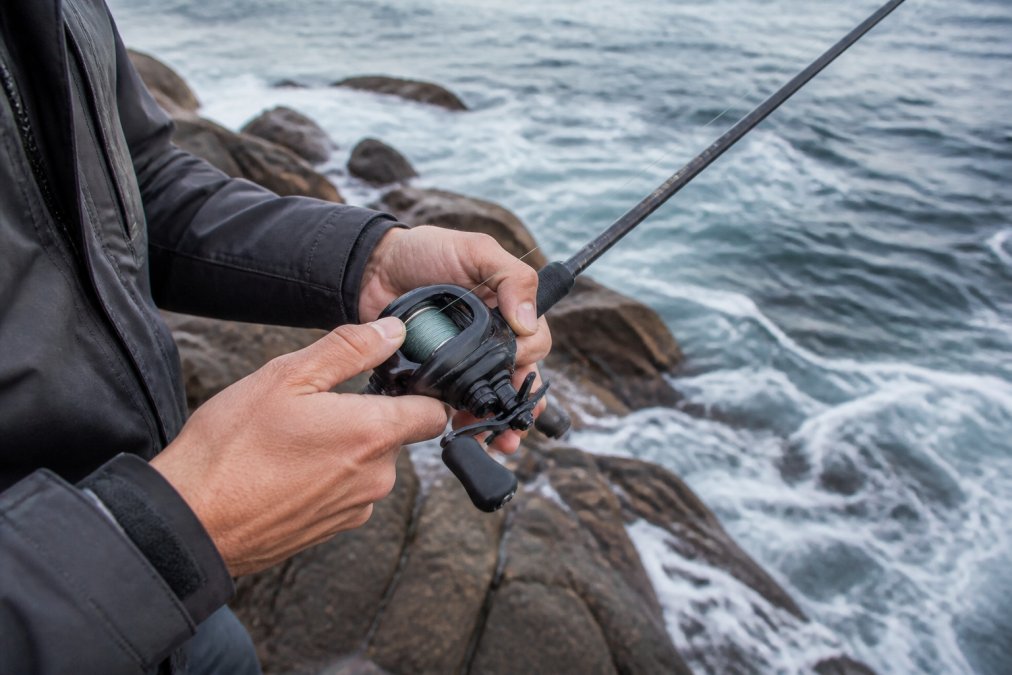
Gear Ratio and Retrieve Speed
Gear ratio dictates how fast you retrieve your lure. For saltwater BFS, a ratio around 7.0:1 to 7.2:1 is the sweet spot (noaa.gov). It allows you to work topwater lures and swimbaits with a fast, twitchy cadence while still generating enough torque to fight a fish that heads for structure. A 7.2:1 ratio, for example, retrieves line quickly, which is essential when you need to keep slack out of the line during a finesse presentation. Lower ratios around 6.3:1 are better for deep cranking but feel sluggish for the fast-paced work BFS often demands.
Spool Diameter and Line Capacity
Spool diameter directly affects casting distance and line management. Smaller spools, typically under 32mm, have lower inertia, which lets them start spinning easily with light lures (peer-reviewed research). This is the defining feature of a BFS reel. However, a smaller spool also means less line capacity. You need a reel that holds enough braid to handle a long run from a striped bass or a redfish. Look for a spool that holds at least 100 yards of 10-15 lb braid. The line capacity is your insurance policy; running out of line on a long run means losing the fish and your terminal tackle.
Braking Systems for Light Lures
The braking system is what prevents backlash when casting light lures. Saltwater BFS reels typically use either centrifugal or magnetic brakes. Centrifugal brakes are more consistent and are often favored for their precise control at the start of the cast, but they can be harder to adjust on the water. Magnetic brakes are easier to fine-tune with a simple dial, making them more forgiving for anglers still learning finesse casting. For light lures in windy conditions, a reel with a reliable braking system is non-negotiable. It is the difference between a smooth cast into the wind and a birdsnest that ends your session.
Corrosion Resistance: Seals, Bearings, and Frame Materials
The reel's construction materials are the deciding factor between a tool that lasts a decade and one that fails in a season. Saltwater-rated reels use a combination of sealed bearings, corrosion-resistant coatings, and strong frame materials to keep the internal workings safe. When you are choosing a saltwater BFS reel, check the manufacturer's claims on sealing technology. A reel with a carbon drag system and a waterproof body will withstand direct spray and even accidental submersion better than one with a simple aluminum frame and exposed hardware.
CRBB vs. Standard Bearings
Corrosion-resistant ball bearings (CRBB) are the single most important upgrade for saltwater use. Standard stainless steel bearings will eventually pit and corrode when exposed to salt, leading to rough casts and a grinding retrieve. CRBBs are made from a higher grade of stainless steel that resists the corrosive effects of saltwater much longer. When comparing reels, look for one that specifies CRBB or similar corrosion-resistant bearings in the spool and drive train. This is not a marketing gimmick; it is the difference between smooth operation and a reel that needs constant maintenance to function.
Aluminum vs. Composite Frames
The frame material affects both weight and long-term rigidity. Aluminum frames are stiffer, which means the gears stay perfectly aligned under heavy load, even when fighting a powerful fish. This rigidity translates to better gear durability over time. Composite or carbon frames are lighter, which helps reduce overall reel weight, but they can flex under extreme pressure, potentially causing gear misalignment. For saltwater use, a rigid aluminum frame is the safer choice. The slight weight penalty is worth the peace of mind when a big fish puts maximum pressure on the reel.
Building Your Saltwater Bait Finesse Setup
A reel is only half the equation. Pairing your saltwater BFS reel with the right rod, line, and lure completes the system. The rod needs to be light and have a fast action to load properly with light lures, allowing you to cast with accuracy. Braided line with a fluorocarbon leader is the standard for BFS. The braid has no stretch, giving you better sensitivity to feel the light bites, while the fluorocarbon leader provides abrasion resistance and is less visible in clear saltwater.
| Component | Recommendation | Why It Matters |
|---|---|---|
| Rod Power | Light to Medium-Light | Loads properly with micro-lures for casting distance |
| Rod Action | Fast | Provides the snap needed for accurate finesse casting |
| Main Line | 10-15 lb Braid | No stretch for sensitivity and long casts |
| Leader | 8-12 lb Fluorocarbon | Abrasion resistance and low visibility |
| Lure Weight Range | 1/16 oz to 1/4 oz | Matches the reel's spool inertia and casting ability |
A Saltwater-Ready Reel Worth Your Money
Finding a reel that genuinely bridges the gap between BFS performance and saltwater durability is rare. Many reels claim to be saltwater-ready but use standard bearings and minimal sealing to cut costs. The SAMOLLA New Baitcasting Reel is built to handle the harsh reality of saltwater fishing. It features a 7.2:1 gear ratio for the fast line retrieval you need when working lures or keeping up with fast-moving fish. The quality construction ensures smooth casts and reliable performance, while the baitcasting design offers the accuracy and control that experienced anglers prefer for targeting specific structure.

Shop the SAMOLLA Baitcasting Reel →
This reel is designed for the angler who demands a tool that won't quit when the conditions turn brutal. It combines the fast retrieve speed necessary for BFS presentations with the strong build quality needed to survive salt spray and hard fights.
BFS Reel Maintenance Tips for Saltwater Anglers
Even the best saltwater BFS reel will fail without a proper maintenance routine. The salt is relentless, and a simple rinse is not always enough. After every trip, you should rinse the reel with fresh water to remove the salt residue from the exterior. Use a low-pressure hose or a sink sprayer; high pressure can force water past the seals. Dry the reel with a soft cloth and store it in a cool, dry place.
A weekly maintenance interval is a good practice for regular saltwater anglers. This involves wiping down the reel, checking the drag for smoothness, and applying a light coat of reel oil to the levelwind and handle knobs. A monthly deeper clean is recommended, which includes removing the spool and cleaning the spool bearings. This is where CRBBs prove their worth, as they will require less frequent cleaning and will resist corrosion longer than standard bearings. Neglecting this routine is the primary reason reels seize up, so build the habit early.
The BFS-Specific Maintenance Protocol
Standard saltwater reel advice is to rinse and oil. BFS reels demand more. Their small, high-tolerance bearings are prone to salt seizure, where a single crystal of dried salt can lock the spool. Here is a protocol that addresses this specific failure mode.
After Every Trip (5 minutes):
- Remove the spool from the reel. This is critical on a BFS reel, as it exposes the spool bearings.
- Rinse the reel frame and the spool separately with a gentle stream of lukewarm fresh water. Do not use a high-pressure hose.
- Shake off excess water and let both parts air-dry overnight in a warm, dry place. This allows any trapped moisture to evaporate before you re-oil.
- The next morning, apply one drop of a high-quality reel oil (not grease) to each spool bearing. Reinstall the spool.
Weekly (10 minutes):
- Wipe down the entire reel exterior with a soft, slightly damp cloth to remove any salt film.
- Check the drag for smoothness by pulling line against a light drag setting.
- Apply a drop of oil to the levelwind worm gear and the handle knob bearings.
Monthly (30 minutes):
- Perform a full teardown: remove the spool, side plate, and handle.
- Clean the spool bearings in a solvent (like isopropyl alcohol) and let them dry completely.
- Re-oil with a light reel oil and reassemble.
- Inspect the pinion gear and drive gears for any signs of corrosion or wear.
Why This Protocol is Different for BFS
This protocol is more involved than what you would do for a standard saltwater reel. The reason is the bearing size. A standard reel might have 4x10mm bearings that can tolerate a bit of neglect. A BFS reel often uses 3x8mm or even 3x7mm bearings. These smaller bearings have less surface area and tighter tolerances, making them far more susceptible to salt buildup. The extra step of removing the spool and air-drying it overnight is the single most effective way to prevent salt seizure. It is a habit that separates anglers who get years of service from their BFS reels and those who are shopping for a replacement every season.
:::warning Don't Over-Oil Your BFS Reel While oil is essential, over-oiling a BFS spool bearing can attract dust and debris, and it can also increase spool inertia, reducing casting distance. Use a single drop per bearing, and if you see excess oil, wipe it away. The goal is a thin film, not a bath. :::
Final Checks Before You Buy
Before you finalize your purchase, run through a quick checklist to ensure the reel meets your needs. Confirm the reel has a sealed drag system and corrosion-resistant bearings. Verify the line capacity is sufficient for the braid you plan to use. Check the gear ratio against the techniques you will be using most often. A 7.2:1 ratio is versatile for most saltwater BFS applications, from topwater to vertical jigging.
A common mistake is buying a reel based solely on its minimum lure weight rating without considering the overall build quality. A reel that casts a 1/16-ounce lure perfectly but corrodes after three trips is not a good value. The best saltwater BFS reel is one that balances casting performance with the durability to withstand the environment. Take your time, check the specs, and choose a reel that will be a reliable part of your gear for years to come.
Frequently Asked Questions
What makes a BFS reel suitable for saltwater use?
A saltwater BFS reel needs sealed or shielded components that block out salt and moisture. Look for a corrosion-resistant body, a sealed drag system, and bearings rated for saltwater use. Standard freshwater reels corrode quickly when salt gets inside the spool shaft or handle. A dedicated saltwater-rated reel also uses materials like aluminum or carbon composite that resist pitting. Check that the braking system and spool bearings are protected, since these are the first parts to fail in coastal conditions.
What is the ideal gear ratio for saltwater BFS fishing?
A gear ratio between 7.0:1 and 8.0:1 works best for most saltwater bait finesse fishing. This range gives you enough retrieve speed to work lures like paddle-tails and topwater pencils quickly, while still offering control for finesse presentations. A 7.2:1 ratio, for example, balances speed with torque for fighting fish that run hard. Lower ratios around 6.0:1 suit slow-rolling deep lures, while higher ratios help when you need to pick up line fast against a strong current.
What line should I put on my BFS reel?
Braid is the standard choice for saltwater BFS because it casts further and handles better in wind at light weights. A 10 to 15-pound test braid gives you the strength to handle saltwater species while staying thin enough for micro-lures. Use a monofilament or fluorocarbon leader of 8 to 12 pounds to add abrasion resistance against structure. The braid's thinner diameter also increases your line capacity, which matters when a fish makes a long run.
How does saltwater corrosion affect BFS reel maintenance?
Saltwater corrosion attacks the spool bearings, drag washers, and gear train faster than any freshwater environment. If you skip rinsing, salt crystals form and grind down moving parts, causing the spool to slow and the drag to become jerky. Maintenance after every trip matters more than the reel's initial quality. Rinse the reel with fresh water, dry it, and apply light oil to the spool bearings and handle. A reel with sealed bearings needs less frequent service, but no reel is maintenance-free in salt.
Finding the right saltwater BFS reel is about balancing the precision of finesse casting with the unforgiving nature of the marine environment. You need gear that performs when the conditions are brutal, not just in the parking lot. Leash the Wilderness stocks rods, reels, and tackle that are field-tested to survive real-world abuse, and our bundles save you 20% when you build a complete setup. Get started with Leash the Wilderness and gear up for a season of reliable, long-distance casting.
This article was written using GrandRanker