

Table of Contents
- Why Choosing the Right Hunting Boots Matters
- Key Factors to Consider When Choosing Hunting Boots
- Hunting Boot Insulation Guide: Early-Season to Late-Season
- Hunting Boot Materials Comparison: Full-Grain Leather vs. Synthetics
- Hunting Boot Fit and Sizing: Getting the Right Heel Lock and Volume
- Hunting Boot Types by Season: Archery to Mountain Hunting
- Boot Care and Maintenance Protocols for Long-Term Performance
- Best Hunting Boots for 2026: LTW-Approved Options
Last Updated: July 30, 2026
Why Choosing the Right Hunting Boots Matters
The difference between a successful hunt and a miserable one often comes down to your feet. Choosing the right hunting boots 2026 isn't about picking the most expensive option, it's about matching boot construction, materials, and fit to your specific terrain, season, and hunting style. A blister on mile three can end your hunt. Poor ankle support on uneven terrain increases injury risk. Inadequate insulation in late-season conditions leads to numb toes and dangerous loss of dexterity. Your boots are the foundation of every hunt; everything else depends on your ability to stay in the field comfortably and safely.
Key Factors to Consider When Choosing Hunting Boots
Boot Stiffness, Shank, and Ankle Stability
Boot stiffness determines how much energy your foot expends with each step. A stiff shank provides better support on uneven terrain, reduces foot fatigue on long hikes, and improves stability when carrying weight. A hunter in flat, open country doesn't need the rigidity of a mountain boot. However, if you're hunting steep ridges or navigating rocky terrain, a stiff shank prevents your foot from rolling and reduces cumulative stress on your ankles and knees.
Ankle stability works in tandem with shank stiffness. A boot with a tall collar and padded ankle cuff provides lateral support, reducing the risk of rolling your ankle on uneven ground. Early-season and archery boots often sacrifice ankle height for mobility and breathability. Late-season mountain boots prioritize taller collars and reinforced heel locks.
Waterproofing and Breathability
Waterproofing and breathability must balance. A Gore-Tex membrane or similar waterproof barrier keeps water out while allowing moisture vapor to escape. Without breathability, sweat accumulates inside the boot, and your feet stay wet, leading to blisters and cold feet.
Full-grain leather naturally sheds water and develops a protective patina over time. When treated with quality waterproofing products, leather boots perform as well as synthetic boots with membranes. The advantage of leather is durability and repairability; a scuffed leather boot can be treated and returned to service.
Choose waterproofing based on your primary season and terrain. Early-season hunts in warm conditions benefit from breathable synthetics. Late-season mountain hunts benefit from durable leather with Gore-Tex. Three-season hunters should prioritize Gore-Tex leather boots as a compromise.
Terrain-Specific Boot Selection
Open, rolling country with minimal elevation change calls for lightweight boots with moderate stiffness. Rocky, steep mountain terrain demands a stiff shank, taller ankle support, and aggressive tread. Swampy or wet lowland terrain requires maximum waterproofing and traction. Brush and scrub country benefits from reinforced toe caps and durable uppers that resist punctures and abrasion.
Hunting Boot Insulation Guide: Early-Season to Late-Season
Choosing the right insulation level is one of the most common mistakes hunters make.
Early-Season (August-September): Temperatures are warm, often 60-75°F. Insulation is a liability; it traps heat and moisture, leading to sweat and blisters. Early-season boots should be uninsulated or lightly insulated (0-100 grams). Breathability and moisture management are priorities.
Mid-Season (October-November): Temperatures drop to 40-60°F. Light insulation (100-200 grams) provides warmth without overheating during active movement. This is the most versatile range for general hunting.
Late-Season (December-February): Temperatures fall below 30°F. Heavy insulation (400+ grams) is necessary to maintain foot warmth during long sits in a stand or blind.
Insulation grams refer to the thickness of insulating material, typically Thinsulate or similar synthetics. Jumping from 200 grams to 400 grams makes a significant difference in extreme cold.
Hunting Boot Materials Comparison: Full-Grain Leather vs. Synthetics
Full-Grain Leather and Durability
Full-grain leather is the hide of the animal with the outer layer intact. It's tougher, more durable, and more repairable than any synthetic. A quality full-grain leather boot can last 10+ years with proper care. Scuffs and minor damage can be treated with conditioning products.
Leather develops a patina that improves water resistance over time. A leather boot actually gets better at shedding water as it ages, unlike synthetics that degrade. The drawbacks are weight and break-in time. Leather boots are heavier than synthetics, and new leather is stiff. A proper break-in takes 20-40 hours of wear.
Full-grain leather hunting boots are the choice for hunters who plan to keep their boots for years and are willing to invest in maintenance.
Synthetic Materials and Lightweight Options
Synthetic uppers, typically nylon or polyester with waterproof membranes, are lighter, require no break-in, and need minimal maintenance. A synthetic boot is ready to hunt the day you buy it. The trade-off is longevity. A synthetic boot typically lasts 3-5 years before the membrane degrades or the material tears.
Synthetics excel in early-season hunts where weight matters and you don't need the boot to last a decade. Casual hunters benefit from synthetic boots; serious hunters who hunt 50+ days per year benefit from leather boots.
Hunting Boot Fit and Sizing: Getting the Right Heel Lock and Volume
Fit is where most hunters fail. A boot with perfect materials becomes useless if it doesn't fit your foot properly.
Heel lock is the single most important fit factor. Your heel should not slip inside the boot when you walk or descend steep terrain. A slipping heel causes blisters, reduces control, and increases ankle strain. Test heel lock by putting on the boot fully laced, then trying to lift your heel while keeping your toes in place. Your heel should not move more than a quarter inch.
Volume, the internal width and depth of the boot, varies significantly between brands. Most hunting boots come in standard widths: regular and wide. Hunting socks should be merino wool or synthetic blends designed for moisture-wicking. Cotton socks absorb sweat and stay wet, leading to blisters and cold feet. Wear the socks you plan to hunt in when trying on boots.
Hunting Boot Types by Season: Archery to Mountain Hunting
Early-Season Archery and Warm-Weather Boots
Early-season archery hunts happen in warm conditions, often 60-75°F. The priority is silence and foot comfort. Early-season boots are lightweight, flexible, and highly breathable with minimal insulation (0-100 grams). Weight matters because every ounce adds up during a long day of climbing a tree stand or hiking to a blind.
Late-Season and Mountain Hunting Boots
Late-season hunting happens in cold conditions, often below 30°F. Heavy insulation (400+ grams) is essential. Mountain hunting demands stiff boots with excellent ankle support. Late-season mountain boots combine heavy insulation with stiff shanks, tall collars, and durable leather uppers. They typically have a 200-400 gram insulation rating and a Gore-Tex or equivalent waterproof membrane.
Boot Care and Maintenance Protocols for Long-Term Performance
After Each Hunt: Remove dirt and debris with a soft brush. If the boots are wet, dry them slowly at room temperature, never near direct heat. Stuff the boots with newspaper to absorb moisture and help them hold their shape.
Weekly During Hunting Season: Inspect boots for damage. Check seams for separation, look for punctures or tears, and examine the tread for wear.
Monthly: Clean boots thoroughly with warm water and a soft brush. For leather boots, apply a quality leather conditioner. For synthetic boots, a light cleaning is sufficient.
Off-Season (Spring/Summer): Clean boots completely and dry them fully. Store in a cool, dry place away from direct sunlight. Inspect the soles for wear; if tread is worn below 3mm, consider resoling before next season.
Repairs: Leather boots can be resoled by a cobbler, extending life significantly. Seams can be resealed with waterproof seam sealer. Small holes in leather can be patched. Synthetic boots are harder to repair; once the membrane fails or the upper tears, replacement is usually the only option.
Hunting Boot Types by Terrain and Season Comparison
Hunting Type |
Boot Stiffness |
Insulation |
Best Features |
Season |
|---|---|---|---|---|
Early-season archery |
Flexible |
0-100g |
Lightweight, breathable, silent |
August-September |
Mid-season mixed terrain |
Moderate |
100-200g |
Balanced support, moisture-wicking |
October-November |
Late-season stand hunting |
Moderate |
400+g |
Heavy insulation, waterproof, warm |
December-February |
Mountain hunting |
Stiff |
200-400g |
Ankle support, aggressive tread, durable |
September-February |
Swamp/wet terrain |
Moderate-stiff |
100-200g |
Waterproof, tall collar, deep tread |
October-November |
Best Hunting Boots for 2026: LTW-Approved Options
Waterproof Leather Military-Grade Boots
The Waterproof Leather Indestructible Men Work Safety Boots Outdoor Military Boots represent the foundation of a serious hunter's boot collection. Built from full-grain leather with military-grade construction, these boots prioritize durability and repairability. The waterproof treatment keeps water out during wet conditions, and the leather develops a protective patina over time.

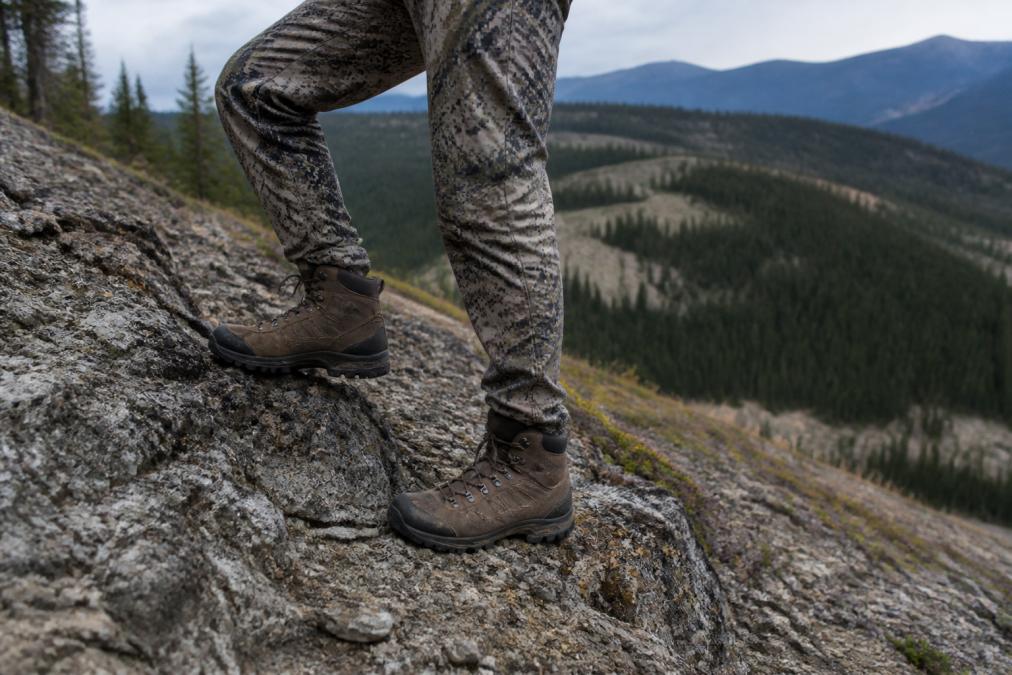
These boots excel in late-season hunting where durability matters. The full-grain leather resists punctures and abrasion from brush and rock. For hunters willing to invest in a boot they'll own for years, this is the right choice.
Best for: Serious hunters who hunt 30+ days per year and want a boot that lasts a decade with proper care.
All-Season Tactical Hiking and Hunting Boots
The Men Outdoor Boots Autumn Winter Outdoor Hiking Boots Special Custom Products bridge the gap between early-season and late-season needs. These boots are built for three-season hunting with moderate insulation and solid ankle support. The construction includes scratch-resistant materials and a waterproof membrane that handles wet conditions without excessive weight. The stiffness is moderate, providing support on uneven terrain without the rigidity of a true mountain boot.

These boots are versatile and work for early-season hunts when you need mobility, mid-season hunts when conditions are variable, and even late-season hunts in mild winters.
Best for: Three-season hunters who need versatility across variable conditions without owning multiple boots.
Waders with Integrated Boots for Water Hunting
The Waders Men with Boots for Fishing Waterproof Chest Wader Nylon&PVC Hunting Well are purpose-built for water hunting, duck, goose, and wet-terrain hunting where standing in water is inevitable. These waders combine a waterproof nylon and PVC upper with integrated boots. The entire system is sealed, and the integrated boots provide adequate support and traction for muddy banks and underwater obstacles.

Best for: Duck, goose, and shallow-water hunters who spend significant time in water.
Boot Selection Decision Framework
Choosing the right hunting boots 2026 requires matching your specific conditions to boot characteristics.
Step 1: Identify Your Primary Hunting Season
- Early-season (August-September): Prioritize lightweight, breathable boots
- Mid-season (October-November): Prioritize balanced support and moderate insulation
- Late-season (December-February): Prioritize heavy insulation and waterproofing
Step 2: Assess Your Terrain
- Flat, open country: Flexible boots, moderate support
- Rolling terrain with elevation: Moderate stiffness, good ankle support
- Steep, rocky mountains: Stiff boots, tall ankle collars, aggressive tread
- Wet, swampy terrain: Waterproof, tall collars, deep tread
Step 3: Evaluate Your Hunting Method
- Stand/blind hunting: Prioritize insulation and warmth
- Mobile hunting: Prioritize weight and breathability
- Mixed approach: Prioritize versatility and balance
Step 4: Consider Your Budget and Longevity
- Casual hunters (1-10 days/year): Synthetic boots, lower cost, minimal maintenance
- Serious hunters (30+ days/year): Leather boots, higher cost, excellent longevity
Step 5: Test Fit and Heel Lock
- Try boots with hunting socks
- Test heel lock by lifting your heel
- Ensure no pressure points or tightness
- Walk in boots for at least 15 minutes
The difference between a successful hunt and a miserable one often hinges on your feet. Choosing the right hunting boots 2026 means understanding what your specific conditions demand, then matching those demands to boots built for those conditions. At Leash the Wilderness, we've curated options that prioritize durability and real-world performance. Start with the decision framework above, identify your primary hunting season and terrain, then select a boot designed for those specific conditions. Your feet will thank you miles into the hunt.
Frequently Asked Questions
What are the most important factors when choosing hunting boots?
The top factors are waterproofing, ankle stability, insulation rating, and fit. Your boots must keep your feet dry with a reliable waterproof membrane like Gore-Tex, provide proper arch support and heel lock to prevent injury on uneven terrain, and match the temperature range of your hunting season. A proper fit—snug heel, room in the toe box—prevents blisters during long pack-outs.
How much insulation do I need in my hunting boots?
Insulation needs depend on season and climate. Early-season hunts (50-70°F) require minimal insulation or none. Mid-season boots typically have 200-400 grams. Late-season and mountain hunting in freezing conditions demand 600+ grams. Check the manufacturer's temperature rating and consider your personal heat retention—some hunters run cold and need heavier insulation than others.
What's the difference between full-grain leather and synthetic hunting boots?
Full-grain leather offers superior durability, breathability, and develops a protective patina over time, making it ideal for serious hunters. Synthetics are lighter, require less break-in, and resist moisture faster, but may not last as long. Full-grain is best for multi-season use; synthetics work well for casual or water-intensive hunts where weight matters.
How do I know if hunting boots fit correctly?
Proper fit means your heel stays locked without slipping, your toes have a thumb's width of space, and the arch support aligns with your natural arch. Try boots on in the afternoon when feet are slightly swollen. Wear the socks you'll hunt in. Walk downhill to check for heel slip. A good break-in period of 5-10 miles on flat ground reveals fit issues before the field.
How do I care for and maintain hunting boots?
After each hunt, remove mud and dry boots at room temperature—never near direct heat. Clean full-grain leather with a brush and mild soap, then condition with leather conditioner every 3-6 months. Check the midsole and shank for damage. Inspect the Vibram sole for wear and replace if traction is compromised. Proper maintenance extends boot life by years and maintains waterproofing.
What's the break-in period for new hunting boots?
Most quality hunting boots require 5-15 miles of gradual break-in before a full hunt. Wear them on short walks, hikes, or yard work. This allows the midsole to settle, leather to soften, and your feet to adapt. Rushing into a long hunt with unbroken boots risks blisters and discomfort. Start with easy terrain to identify any fit issues early.
This article was written using GrandRanker